

Global fleet safety services you can trust - backed by RoSPA's expertise
RoSPA’s Fleet Safety Services deliver trusted, evidence‑based support to help organisations create safer, more efficient driving cultures. With over a century of leadership in road safety and long‑standing partnerships across industry, government and global organisations, we provide fleet solutions you can rely on. Our real-world, in-vehicle coaching is delivered by RoSPA-approved instructors, providing drivers with personalised feedback that improves awareness, behaviour, and performance—driving measurable reductions in collisions, downtime, and operational costs.
From on‑road coaching and train-the-trainer programmes, to specialist off‑road, motorcycle and online training, our extensive UK and international experience ensures every course is practical, compliant and grounded in behavioural science. Partner with the UK’s road safety leaders to protect your people, strengthen safety culture, and keep your fleet moving with confidence.
Why fleet safety matters?
Fleet safety matters because it protects people, reduces risk, and safeguards organisational performance. Work-related driving is one of the highest risk activities employees undertake, and collisions can result in serious injury or loss of life, legal liability, reputational damage, and significant financial costs. By prioritising fleet safety and working with RoSPA, organisations can:
-
Protect people by reducing collisions, injuries, and fatalities involving employees and other road users
-
Reduce risk and cost through improved compliance, fewer claims, lower insurance premiums, and reduced vehicle downtime
-
Strengthen reputation and performance by demonstrating duty of care, supporting sustainability goals, and reinforcing responsible corporate leadership
A strong fleet safety culture helps organisations operate more efficiently, meet legal obligations, and contribute to safer roads for everyone.

Developing safer drivers through behaviour and culture
- At RoSPA, we believe safer driving starts with behaviour and the culture that surrounds it.
- Driving for work is one of the highest-risk activities employees carry out, which is why improving how people think, act, and make decisions on the road is essential. Our driver training and qualifications are built on this principle, helping organisations address risk at its source.
- By combining evidence-based insight with practical learning, our programmes influence everyday driving behaviours and embed a positive safety culture across organisations. This approach delivers measurable results: fewer collisions, reduced costs, and greater confidence that your organisation is meeting its duty of care. It’s why organisations that want lasting improvement choose RoSPA.
A century of leadership in road safety
RoSPA has been a leader in road safety for decades, working with governments safety organisations and communities to reduce risks across the UK. Our pioneering work continues to shape how road safety is understood and managed nationwide. Through collaborative initiatives, we ensure consistent, evidence‑based guidance that supports safer driving and reduces risks on the road.
Our strategic partners
We work with governments and safety organisations to set the highest standards.
Department for Transport | Driving & Vehicles Standards Agency | Road Safety GB | Scottish Government | Welsh Government | Highways England | National Fire Chiefs Council | National Road Safety Committee | Parliamentary Advisory Council for Transport Safety
Through the National Road Safety Committee, we provide a collective voice for road safety across the UK, ensuring that road safety remains a national priority. ensuring that road safety remains a national priority.
Key RoSPA milestones in UK road safety:
1917 – Pedestrians must walk facing traffic
1931 – Introduction of the Highway Code
1933 – Causes of road accidents analysis
1942 – Kerb Drill published
1964 – Drink Drive campaign
1981 – Compulsory wearing of seat belts
1996 – Management of Occupational Road Risk (MORR)
1999 – Hand-held mobile phone bill
2023 – Smart motorways review
2024 – 20 mph default in Wales
Our fleet risk and driver training services

Driver training
Explore our selection of on-road driver training courses, ranging from advanced driving techniques to comprehensive driver assessments.

Online driver safety
Our array of online driver training courses offers practical, adaptable, and convenient solutions tailored to your schedule and requirements.

Off road training
Our specialised off-road driving courses, expertly developed, are designed to improve confidence, refine driving skills, and enhance safety standards.
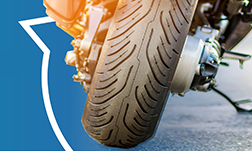
Motorcycle training course
Our training courses equip riders with the knowledge and skills needed to navigate roads confidently, keeping themselves and others safe.

Driver Assessments
Designed to enhance driving skills, reinforce safety measures, and identify areas for development, this 60-minute session covers various road types, providing participants with valuable insights and a constructive feedback discussion.

RoSPA Level 2 Award in Driver Assessor Skills
Designed to equip participants with the knowledge and skills necessary to assess other drivers competently, enabling you to assess your fleet – for less.
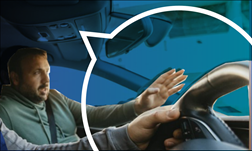
RoSPA Level 3 International Award for Driver Trainers
This international train the trainer qualification has been specifically developed to support your driver trainers so they can coach others in your organisation to the highest driving standards.
Our clients

