

Magnet safety
Keep curious hands safe from the hidden dangers of high strength magnets
Magnets are intriguing objects that often capture the interest and curiosity of very young children. From educational toys and fashion objects to craft items, model trains and electronics, high strength magnets are commonly found in many household items. While these small objects can be entertaining and educational, they pose a significant risk to very young children and teenagers - they can kill or lead to serious life changing injuries if they are swallowed or inhaled, making it crucial for parents, carers, and families to be well-informed and vigilant.
Swallowing hazards
If more than one magnet is swallowed, they can attract each other through the walls of the intestines, causing serious injuries such as perforations, blockages, and infections.
Choking hazards
Small magnets can be a choking hazard, particularly for infants and toddlers who explore the world by putting objects in their mouths.
Inhalation dangers
Tiny magnets can be accidentally inhaled, leading to respiratory complications.
When two or more magnets are swallowed, they can attract each other through different parts of the digestive system. This can trap sections of the bowel between the magnets, cutting off blood supply and causing rapid tissue damage. The pressure can lead to the formation of abnormal holes between intestinal segments, resulting in severe infections, long-term digestive complications, or even death.

X-ray showing high strength magnets inside the bowels of a young child, Royal Belfast Hospital for Sick Children
Where can magnets be found?
Small, high strength magnets are found in many common household items, such as:
- DIY craft kits: Some kits include small magnets for various projects.
- Model making: Magnets might be used in certain model kits for holding parts together.
- Magnetic building sets: Some children's construction toys use small high-strength magnets.
- Magnetic dart boards: The darts and board contain magnets to hold the darts in place.
- Speakers and headphones: Many speakers and headphones contain strong magnets.
- Hard drives: Inside old computer hard drives, you can find powerful neodymium magnets.
- Tools: Magnetic tool holders or magnetic screwdrivers often contain strong magnets.
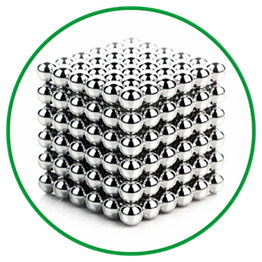
Have you completed a magnet audit of your home?
A magnet audit involves a thorough check of your home to identify products containing magnets, such as desk ornaments, toys, and other household items.
To assist you in this process, we have developed a free, simple prevention checklist. We know that life’s busy, but by taking a few minutes to walk around your home and going through the prevention checklist, you can help keep curious hands safe from the dangers of magnets
Top 4 magnet safety tips for parents and carers:
What do in an emergency
If you suspect your child has swallowed or inhaled a magnet:
- Seek immediate medical attention. Time is crucial to prevent severe complications.
- Do not try to make your child vomit.
- Provide the medical professionals with as much information as possible about the incident, including the type and number of magnets involved.
Further advice and resources
Download our FREE checklist, to help keeps curious hands safe from the dangers of magnets.

Play is not risk-free – but we can control most of the hazards children are exposed to.
Whether you already have blinds in or your home, or you're looking to install some, here is our top advice on how to keep your family safe from the dangers of blind cords.

Find out more about the rate of magnet-swallowing incidents and related injuries among children in the UK.