
- Home
- Home safety
- Child safety at home
- Burns and Scalds

Select from the following help and guidance
Burns and scalds
Preventing burns and scalds
|
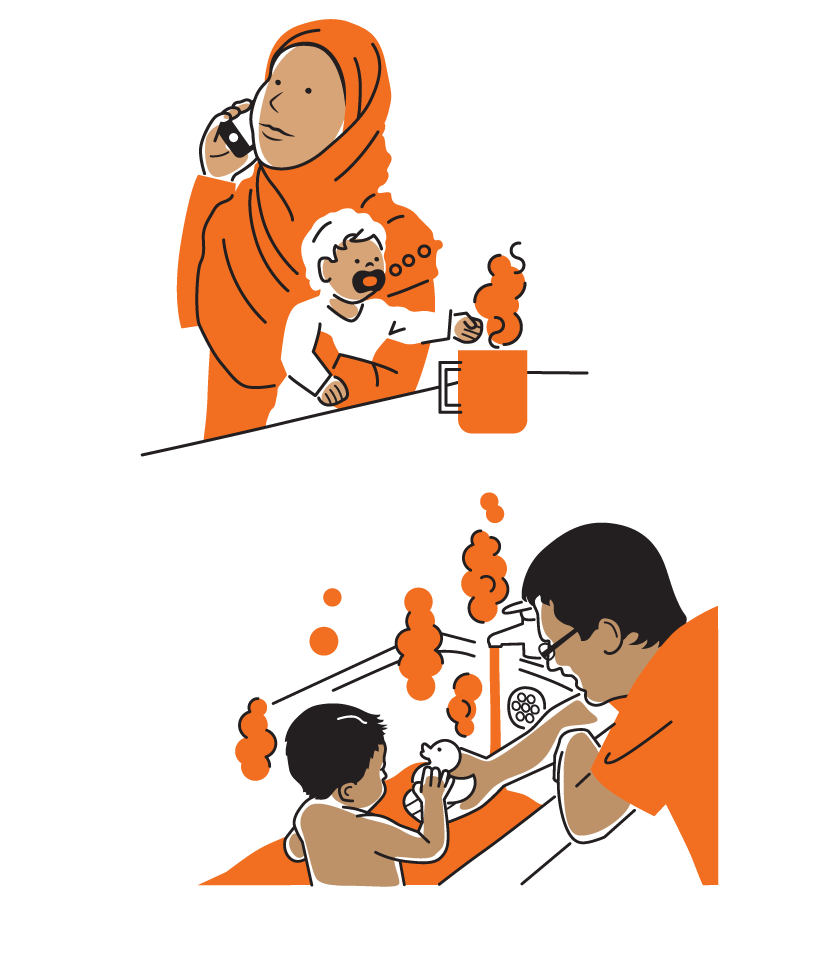
Burns and scalds are among the most serious injuries affecting young children, but many can be prevented. Children learn by exploring, touching and copying what they see. Everyday items such as hot drinks, bath water, cookers, hair straighteners and fireplaces can cause serious injuries in seconds. Because a child's skin is thinner than an adult's, burns can happen more quickly and may be more severe. This section provides practical advice to help parents, carers and professionals reduce risks and create safer environments at home and in childcare settings. |
|
Common hazards
Bath safety:
|
Hot bath water can cause severe scald injuries in seconds. The following steps can help keep children safe:
|
Always:
|
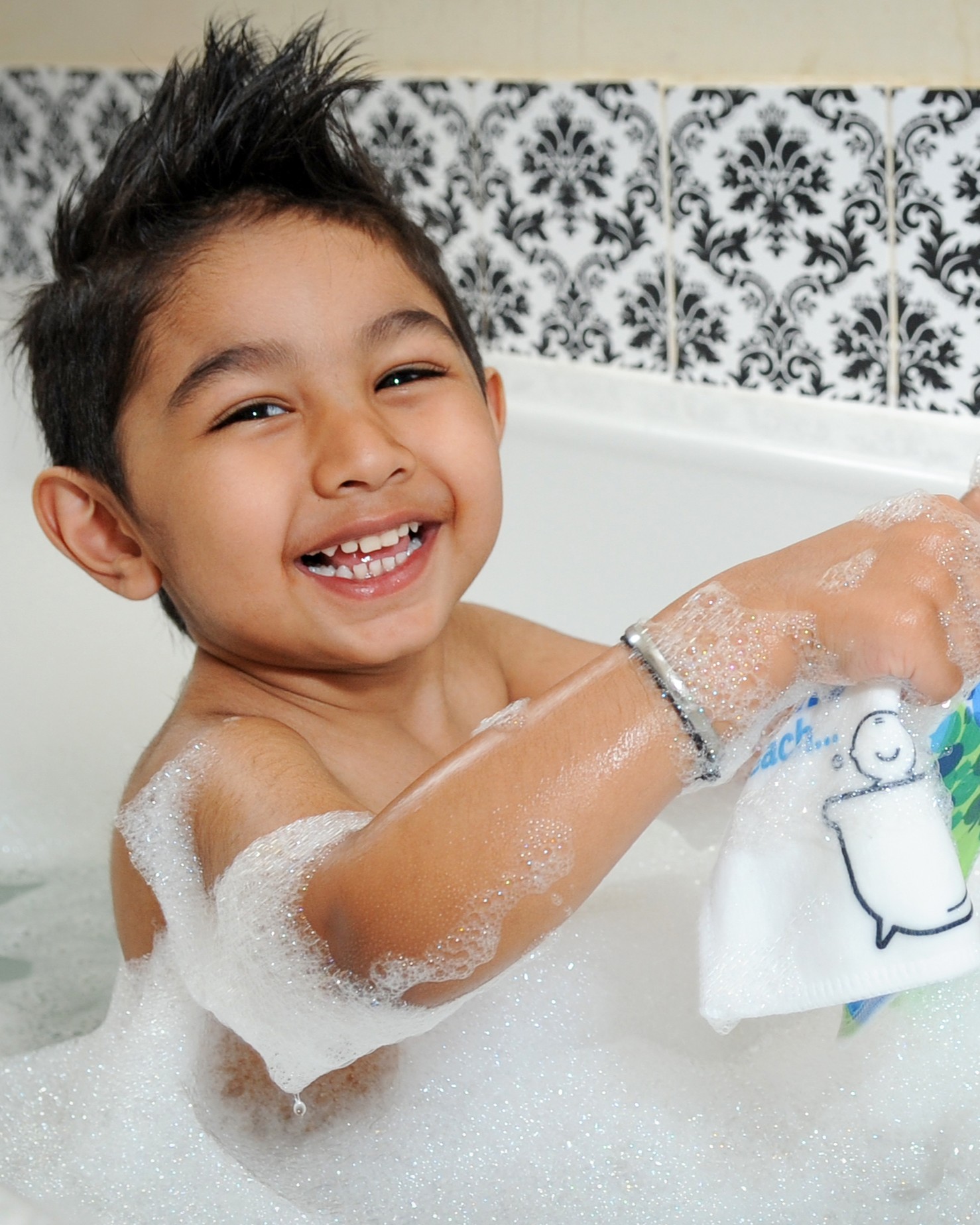
Never leave a child unattended in the bath, even for a moment.
Hot drinks:
|
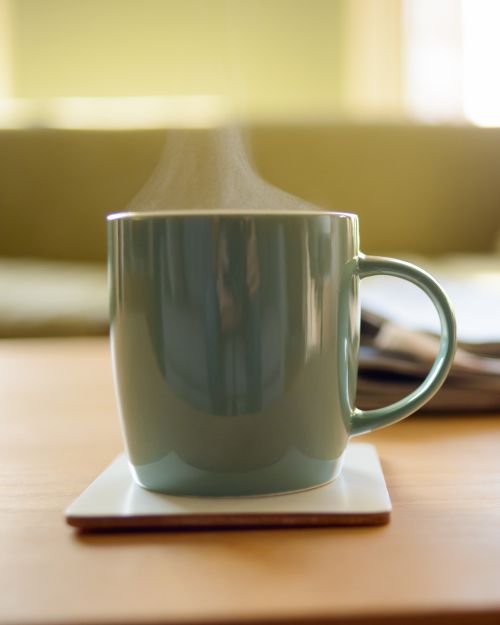
Hot drinks are one of the leading causes of scalds in children under-five. A drink can remain hot enough to cause serious burns for up to 15 minutes after it has been made. Always:
|
|
Fires, fireplaces and heaters:
|
|
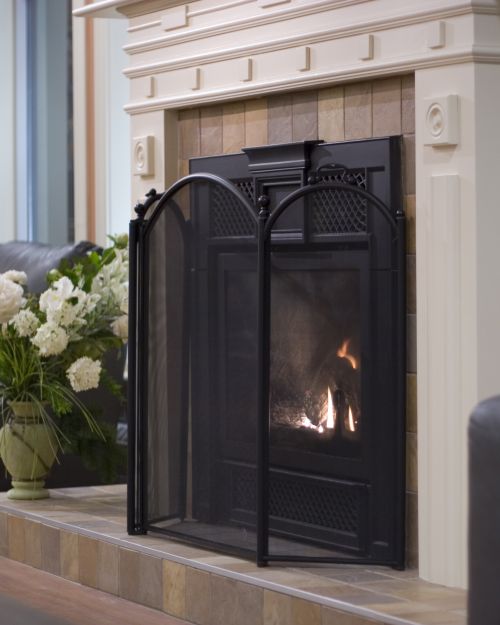
Children are often attracted to flames or hot surfaces, increasing the risk of serious burns. Always:
|
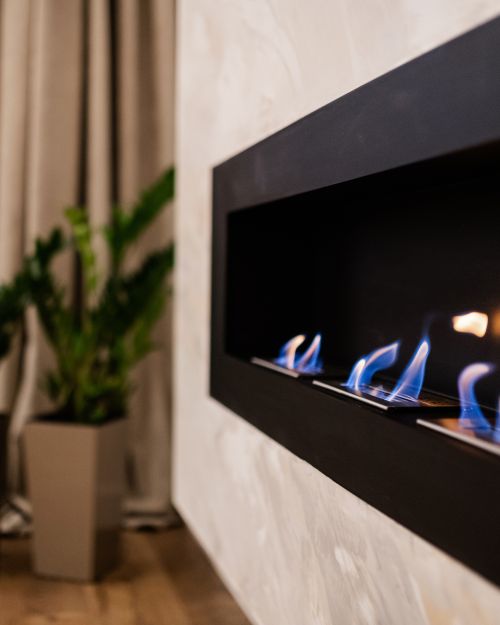
Bioethanol and gel fuel burners:
|
Bioethanol and gel fuel burners can present significant burn risks due to highly flammable fuel and often invisible flames. Always:
Never:
For more information, please see Bioethanol fires. |
|
Radiators:
|
|
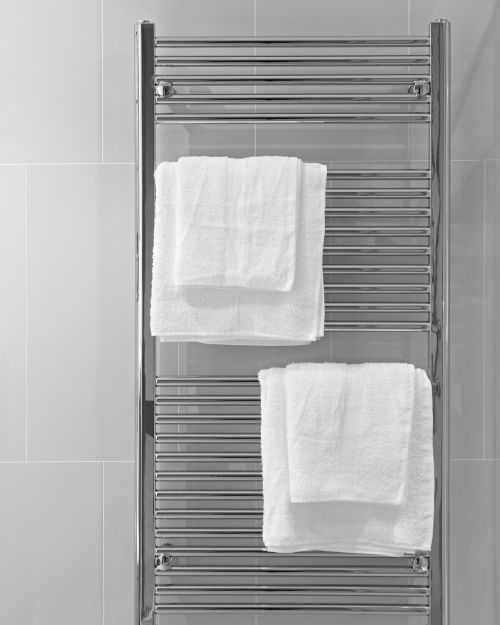
Some radiators can reach temperatures capable of causing burns. Consider installing thermostatic radiator valves (TRVs) to regulate temperatures and using radiator guards or covers. Always:
|
Ovens and hobs:
|
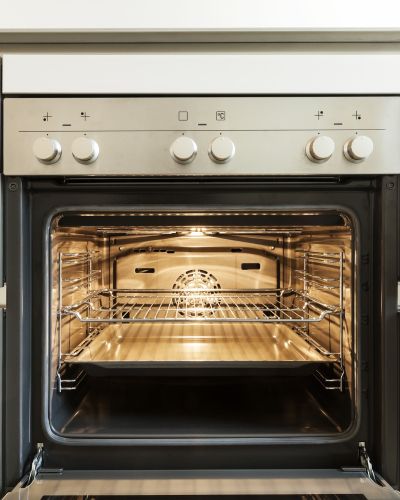
The kitchen presents several potential burn hazards. Always:
|
|
Hair straighteners:
|
|
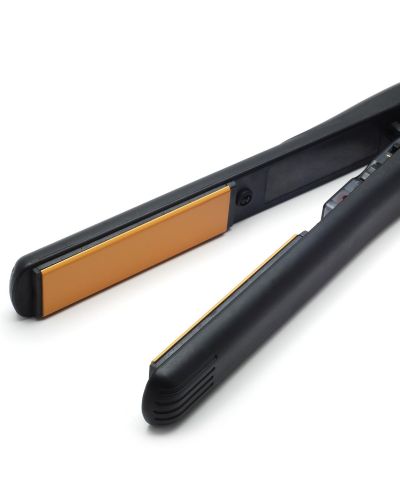
Hair straighteners can remain hot enough to burn for up to 40 minutes after use. Always:
|
Candles, matches and lighters:
|
Children are often fascinated by flames, and candles create both fire and burn risks. Always:
Never:
|
|
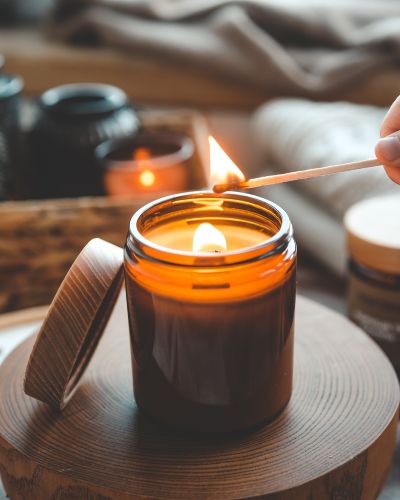
If you are using battery-operated flicker candles, keep them out of the reach of children and ensure they cannot access the button battery compartment.
Irons:
|
|
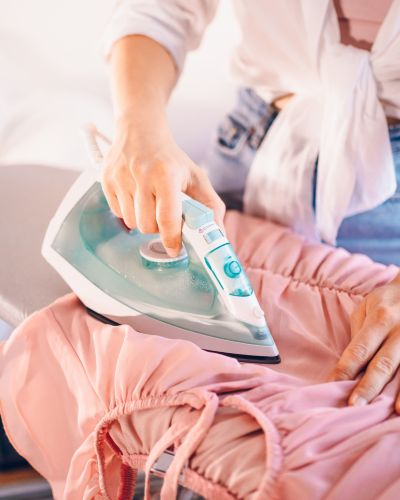
Irons can cause serious burns. Avoid ironing when young children are present. Always:
|
Clothing and fancy dress:
|
Some costumes, particularly homemade or fancy-dress clothing, may ignite more easily than everyday clothing. When purchasing costumes: Always:
For more information, please see Halloween Costume Safety Advice. |
|

Bonfires and fireworks:
|
For more information please visit RoSPA's Firework safety tips |
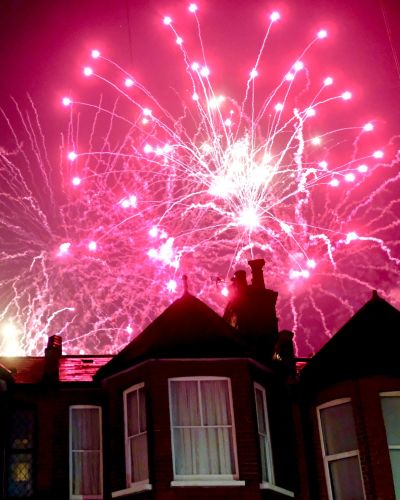
Fireworks can be enjoyed safely when sensible precautions are taken. Only adults should handle, light and dispose of fireworks. Children and young people should watch and enjoy fireworks from a safe distance. If you are having a firework party at home, there are steps you can take to make it safer: Always:
Never:
|
Additional prevention tips
A few simple habits can help prevent many serious burn and scald injuries:
Always:
- Keep hot drinks out of reach and away from the edges of tables and worktops
- Encourage the use of a coiled flex or a cordless kettle
- Keep small children out of the kitchen whenever possible
- Fit a thermostatic mixing valve to taps
- Turn cold water on first when running baths
- Test bath water temperature before use
- Use rear hob rings and turn pan handles inward
- Keep hot irons, curling tongs and hair straighteners out of reach even when cooling down
- Keep phone chargers unplugged and out of reach when not in use.
Never:
- Hold a hot drink and a child at the same time
- Leave young children alone in the bathroom.
First aid
Good first aid following a burn or scald can make an enormous difference in recovery times and the severity of scarring. Below are two important things to remember, courtesy of the Children's Burns Trust.
Stop, drop and roll
“Stop, drop and roll” is used when clothing catches fire. Children can get confused about when to stop, drop and roll. It is important to know when to do this. Children who do not have a good understanding of stop, drop and roll will sometimes do this if they burn a finger or need to get outside if the smoke alarm sounds. Only use stop, drop and roll when clothing catches fire.
Cool, call, cover
 |
COOL the burn with cool running water for 20 minutes. Remove any clothing and jewellery near the burn unless it is melted or firmly stuck to the skin. |
 |
CALL for help for any burn that is larger than the injured person’s palm or if you are unsure about the severity. Call 999 for serious burns or emergency advice, 111 for urgent medical advice or contact your GP. |
 |
COVER the burn with cling film or a clean, non-fluffy dressing or cloth. Keep the injured person warm while waiting for help. |

