- Home
- Home safety
- Child Safety Hub
- Child Safety Hub - Falls

Select from the following help and guidance
Falls
Preventing falls
|
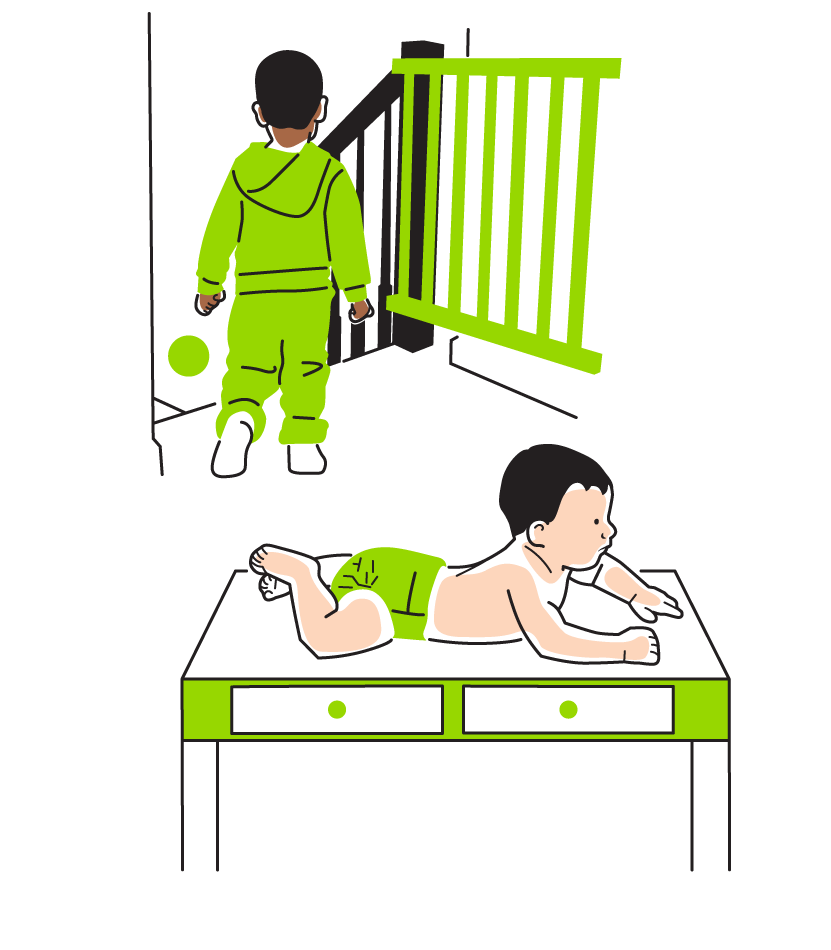
Falls are one of the leading causes of common reason for hospital admission. Most falls result in minor bumps and bruises, but falls from height can cause and fractures. Babies are particularly vulnerable because they are still developing balance, coordination and awareness. Babies are their heads are proportionally larger and heavier than those of older children. While not every fall can be prevented, simple changes at home and close. Stairs are one of the most common locations for serious falls, particularly for toddlers and young children. |
 |
Common fall hazards
Stairs:
|
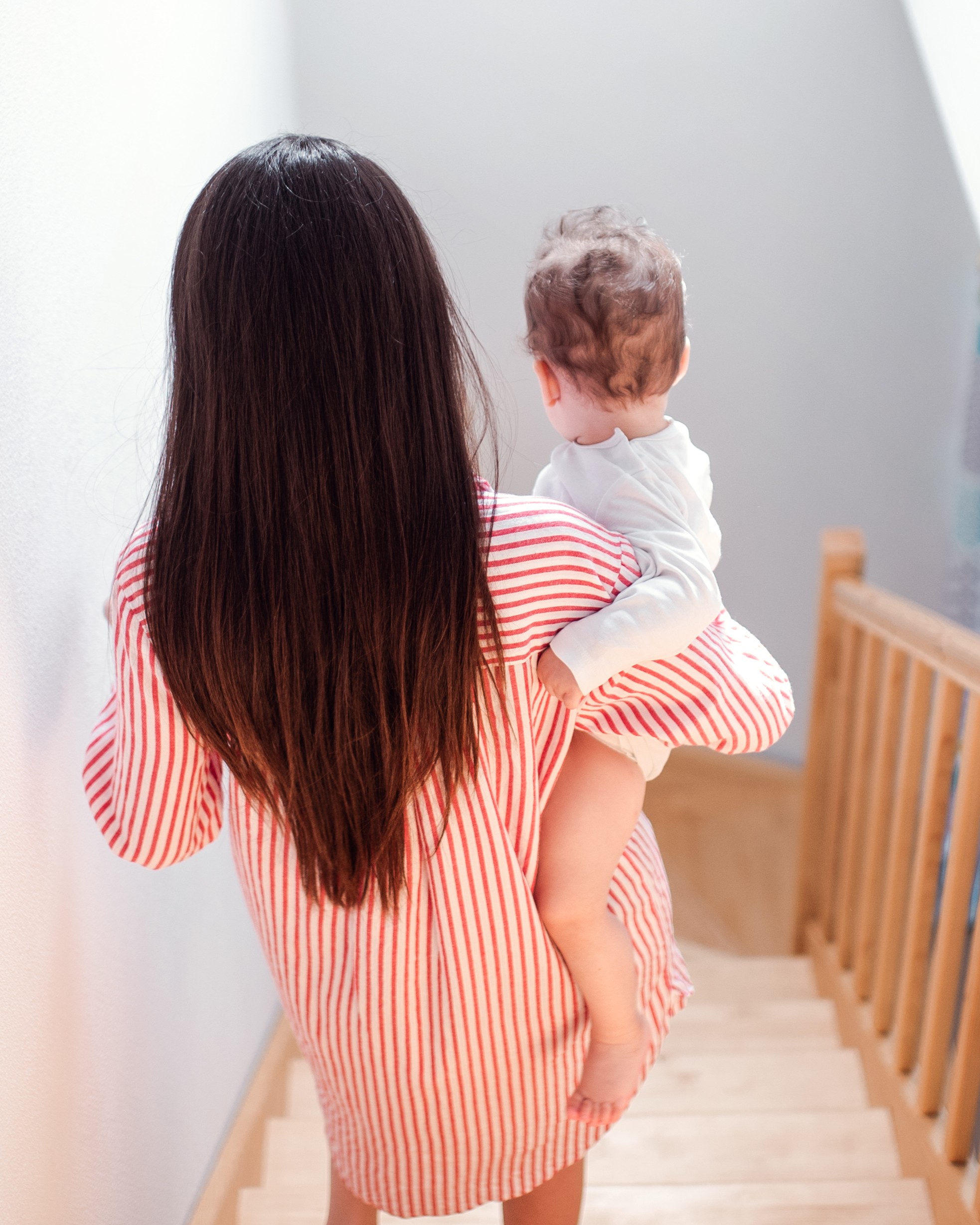
Stairs are one of the most common locations for serious falls, particularly for toddlers and young children. Risks can also increase when adults are carrying children up or down the stairs.
|
To help prevent falls: Always:
|
Safety gates:
|
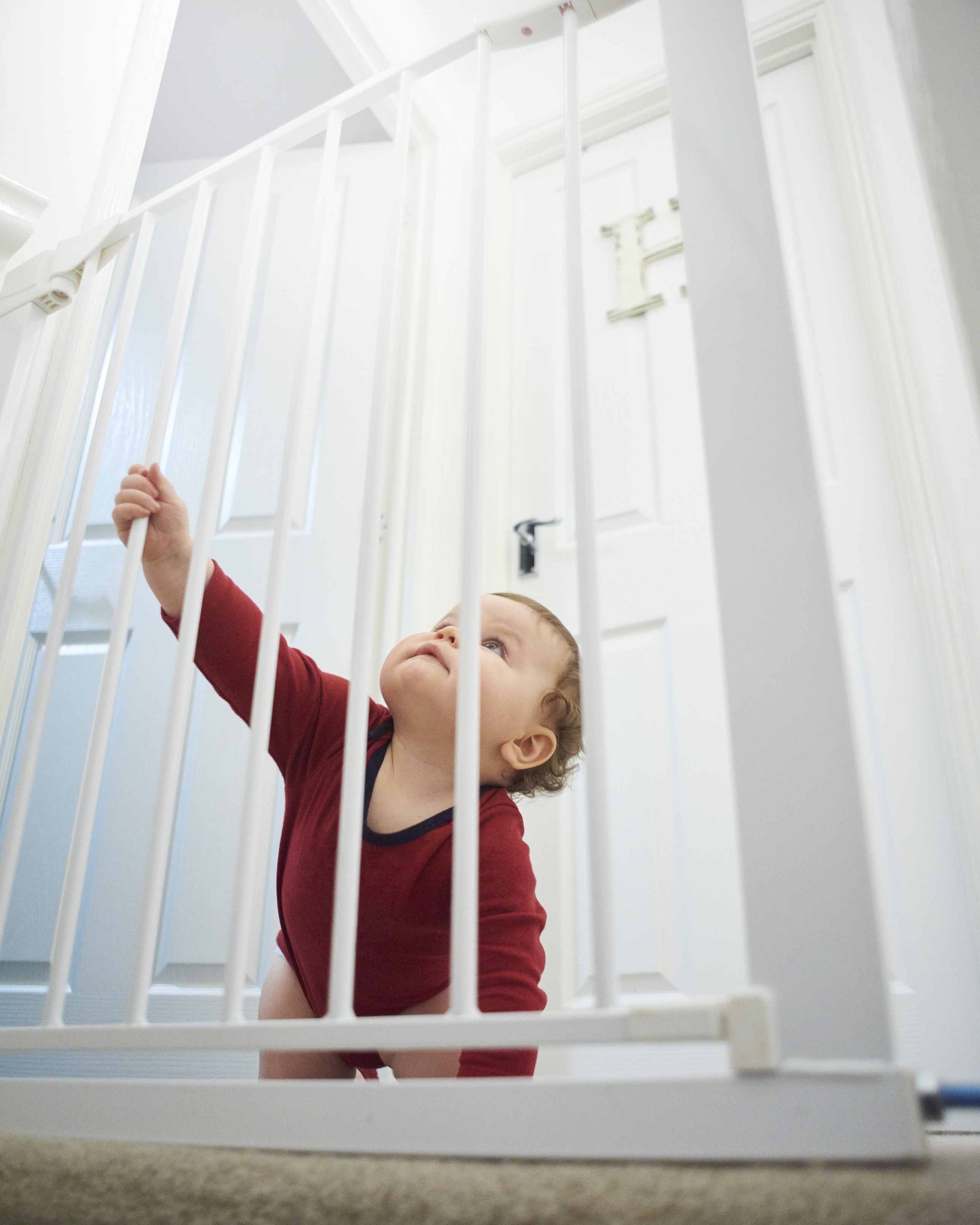
For children under 24 months old, install wall-mounted safety gates to restrict access to both the top and bottom of the stairs. When buying a safety gate: Always:
|
|