

Extended rear-facing child car seats
Choosing a child car seat is one of the most important safety decisions parents and carers make. While many people are familiar with rear-facing infant carriers, fewer people know that many children can stay rear-facing well beyond infancy.
Research shows that rear-facing travel can give young children better protection, especially for their head, neck and spine As a result, RoSPA recommends that children remain in a rear-facing car seat for as long as possible, within the height and weight limits specified by the seat manufacturer.
This page explains the benefits of extended rear-facing travel, answers some common questions and highlights lessons from Sweden, where keeping children rearward-facing until around four years of age and beyond is widely considered normal practice.
What is extended rear-facing travel?
Extended rear-facing refers to keeping a child in a rear-facing car seat beyond infancy. Many parents use a rear-facing infant carrier from birth but move their child into a forward-facing seat as they get older. However, a growing range of child car seats are designed to allow children to remain travelling rear-facing for much longer.
In Sweden, many children travel rear-facing until around four years of age or beyond, whereas in Great Britain children are often moved into forward-facing seats at a younger age.
Why is rear-facing travel considered safer?
Young children's bodies are still growing. Their heads are larger and heavier compared with the rest of their body than an adult's, and their neck muscles and bones are not yet fully developed.
In a frontal collision, crash forces can place significant strain on a child's head, neck and spine.
A rear-facing car seat spreads the crash forces across the child's back, helping to support their head, neck and body. In contrast, a forward-facing seat concentrates more of those forces through the harness while the head continues to move forward.
For this reason, rear-facing travel is widely recognised as providing important protection for babies and young children, particularly in front-end collisions.
What does RoSPA recommend?
RoSPA recommends that children remain in a rear-facing car seat for as long as possible, within the height and weight limits specified by the seat manufacturer.
There is no safety benefit to moving a child into a forward-facing seat before they have outgrown their rear-facing seat. If their car seat allows it, parents and carers may wish to consider keeping their child rear-facing for longer.
Common questions about rear-facing car seats
When can my child travel in a forward-facing seat?
The law sets minimum requirements, but the safest option may not always be the earliest point at which a child can legally travel forward-facing.
Many child car seats allow children to continue travelling rearward-facing well beyond the legal minimum age requirement.
Won't my child's legs be uncomfortable?
This is a common concern among parents. However, children are often comfortable sitting with their legs bent, crossed or resting against the vehicle seat back.
Research has not identified an increased risk of leg injuries associated with extended rear-facing travel, and many children remain comfortable travelling this way for several years.
Are rear-facing seats available in the UK?
Yes. A wide range of child car seats suitable for extended rear-facing travel are available. Parents should always ensure that any seat is appropriate for their child's height and weight and is used according to the manufacturer's instructions.
What can we learn from Sweden?
Sweden is widely recognised as a world leader in child passenger safety and has some of the highest rates of extended rear-facing travel.
To better understand why, the Rear Face for Safety campaign produced the report Supporting Safer Child Car Seat Choices, with contributions from RoSPA and other child safety experts.
The report found that Swedish parents are more likely to receive clear and consistent information about rear-facing travel from trusted sources, including healthcare professionals, retailers and road safety organisations.
As a result, many parents learn about the benefits of extended rear-facing travel before they purchase a car seat, helping them make informed decisions from the outset.
The report also found opportunities to improve awareness and understanding of extended rear-facing travel in Great Britain.
Key recommendations
The report identifies several opportunities to help parents and carers make informed decisions, including:
- Improving public awareness of the benefits of extended rearward-facing travel.
- Providing clear, consistent and evidence-based information.
- Supporting professionals who advise families on child passenger safety.
- Strengthening collaboration between organisations involved in child passenger safety.
- Improving access to trusted information for parents and carers.
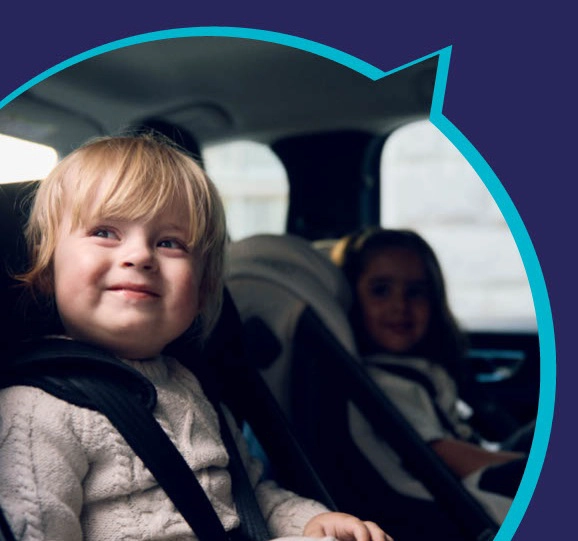
Choosing a car seat is one of the many decisions parents make while preparing for a baby. Understanding what happens after that first seat is outgrown can be less straightforward. This report explores Sweden’s approach alongside current provision in Great Britain.
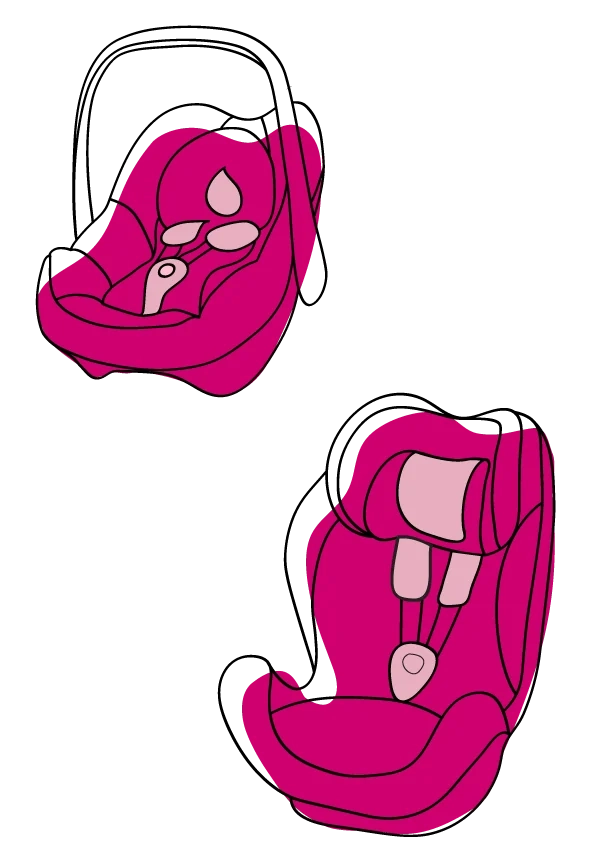
Child Car Seats
A correctly chosen and fitted child car seat is one of the most effective ways to protect a child in the event of a collision.