Select from the following help and guidance

Burns and Scalds

Burns and Scalds

Burns and scalds are among the most serious injuries affecting young children, but many can be prevented.

Children learn by exploring, touching and copying what they see. Everyday items such as hot drinks, bath water, cookers, hair straighteners and fireplaces can cause serious injuries in seconds.

Because a child's skin is thinner than an adult's, burns can happen more quickly and may be more severe.

This section provides practical advice to help parents, carers and professionals reduce risks and create safer environments at home and in childcare settings.


Toddler at risk of fall on stairs


Bath Safety:


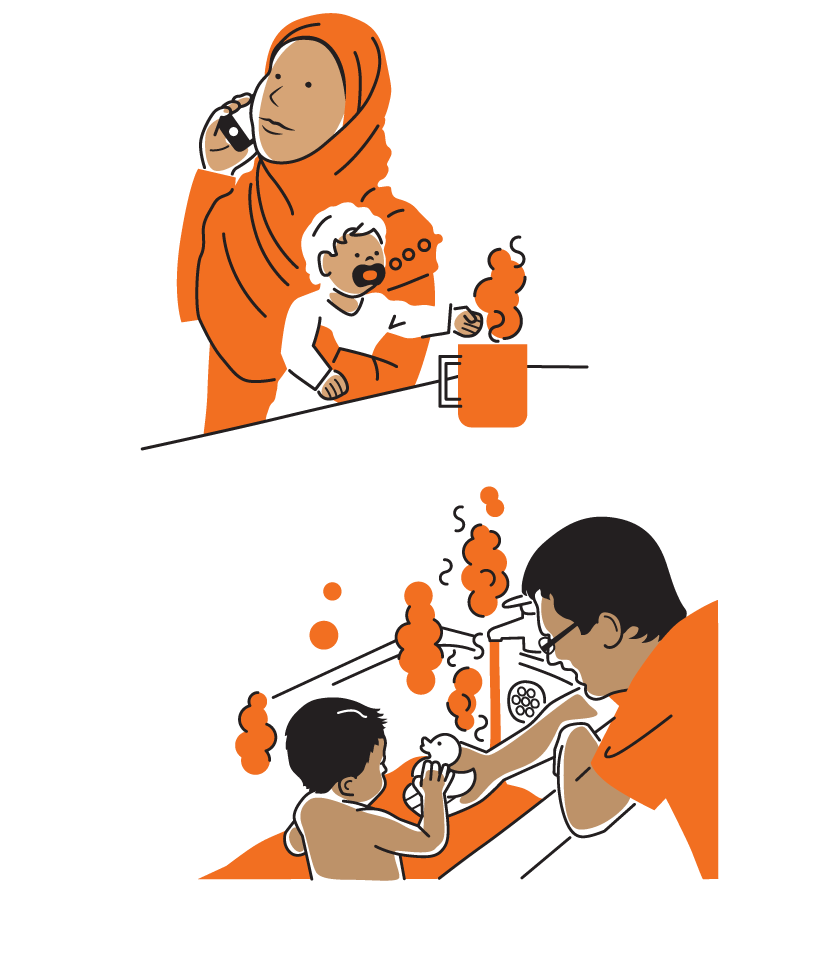
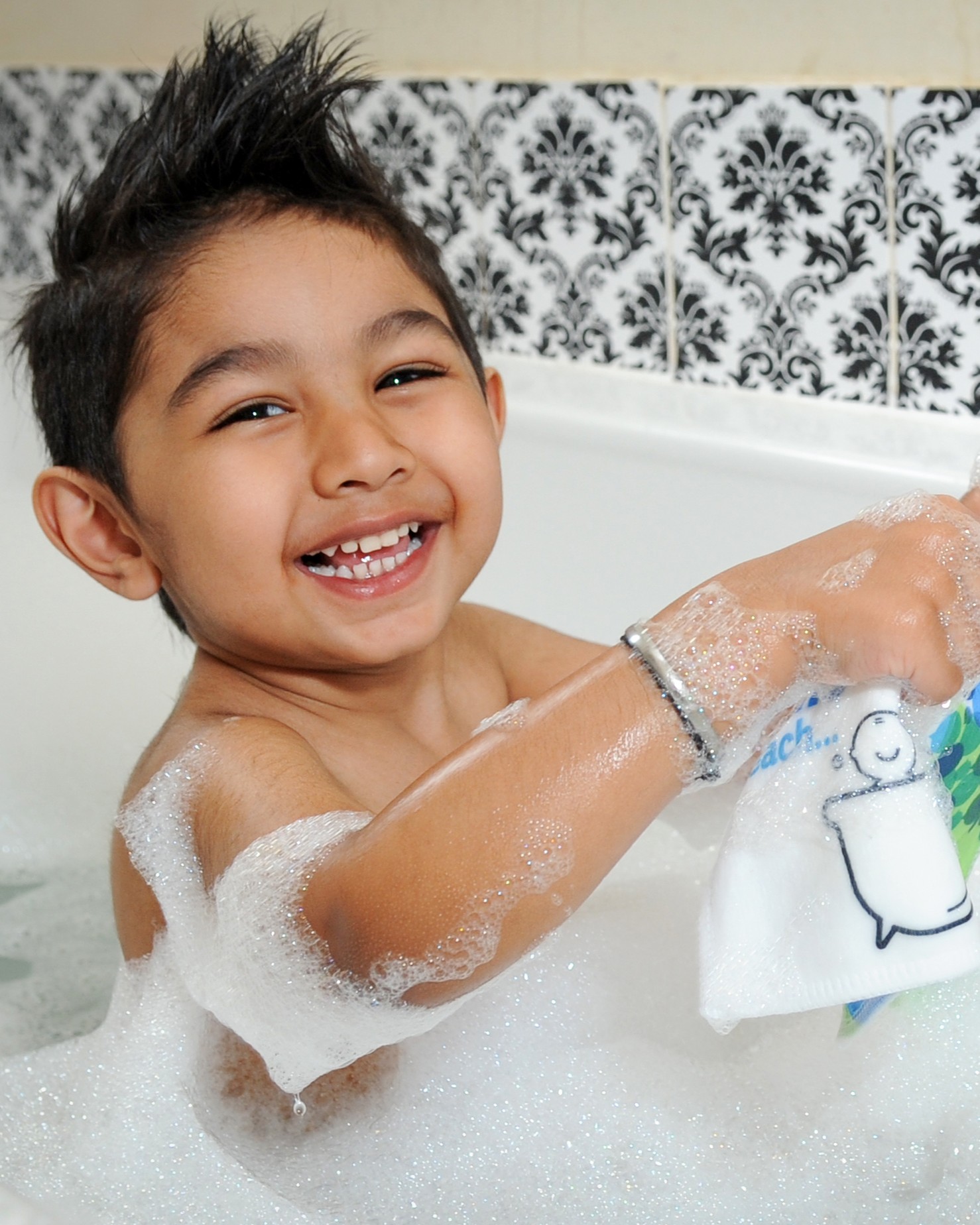
Hot bath water can cause severe scald injuries in seconds. The following steps can help keep children safe: 

Always:

  • Supervise children while the bath is running and while they are in the bath
  • Run cold water first, then add the hot water
  • Mix the water thoroughly to remove hot spots
  • Check the water temperature before placing a child in the bath
  • Turn the taps off before the child enters the bath
  • Position children away from taps where possible
  • Consider the installation of a thermostatic mixing valve (TMV) to help control water temperature. 

Never leave a child unattended in the bath, even for a moment.


Hot Drinks:


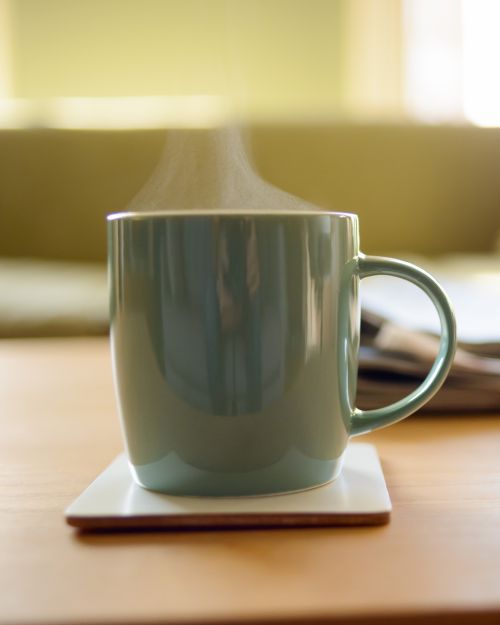
Hot drinks one of the leading causes of scalds in children under five. A drink can remain hot enough to cause serious burns for up to 15 minutes after it has been made. 

Always:

  • Keep hot drinks out of children’s reach
  • Place cups and mugs away from the edges of tables, worktops, and counters
  • Avoid carrying a baby or child while holding a hot drink
  • Keep kettles away from the edge of worktops
  • Use cordless or short coiled-lead kettles where possible. 


Fires, fireplaces, and heaters:


Children are often attracted to flames or hot surfaces, increasing the risk of serious burns. 

Always:

  • Supervise children near fires, fireplaces, and heaters
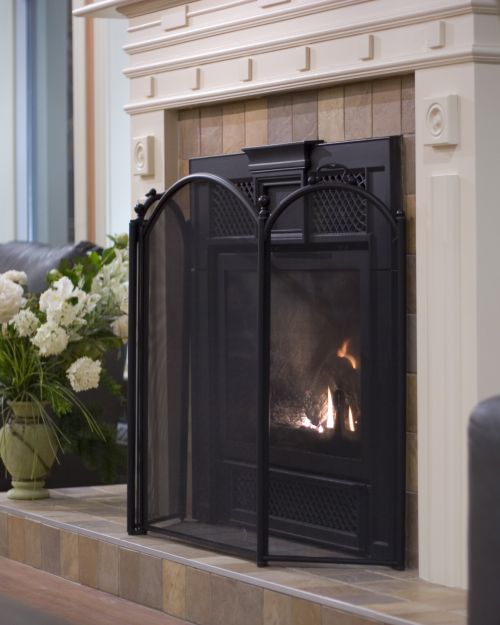
  • Install a secure fireguard around open fires and heaters
  • Ensure fireguards meet current British Standards. BS8423:2010 +A2:2022
  • Keep furniture, toys, and other combustible materials away from heat sources. 


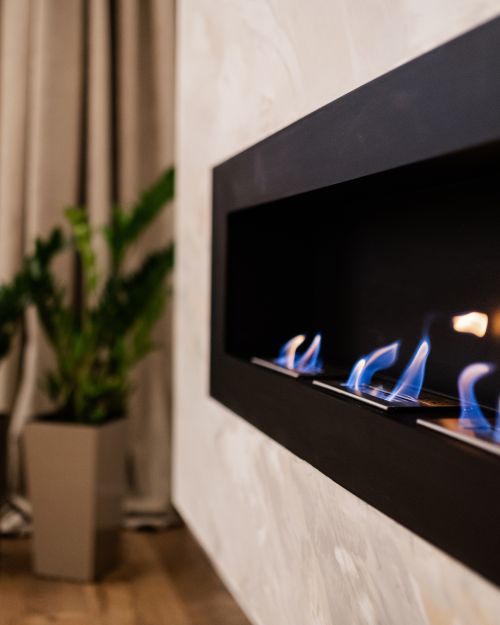
Bioethanol and Gel Fuel Burners:


Bioethanol and gel fuel burners can present significant burn risks due to highly flammable fuel and often invisible flames. 

Always:

  • Follow the manufacturer’s instructions
  • Keep fuel and burners away from children and pets
  • Keep fuel containers sealed and safely stored
  • Keep kettles away from the edge of worktops
  • Extinguish flames before leaving the room or going to sleep
  • Clean fuel spills immediately and thoroughly. 

Never:

  • Refuel a lit or hot appliance.


Radiators:


Radiator

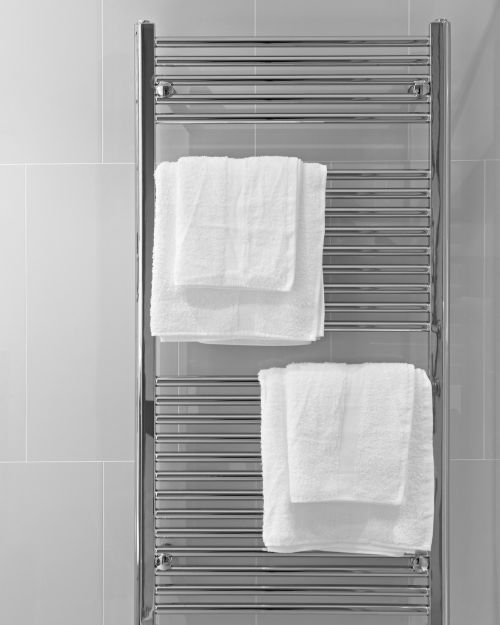
Some radiators can reach temperatures capable of causing burns. Consider installing thermostatic radiator valves (TRVs) to regulate temperatures and using radiator guards or covers. 

Always:

  • Position children’s beds away from radiators. 
Bath Safety


Bath Safety:


Hot bath water can cause severe scald injuries in seconds. The following steps can help keep children safe: 

Always:

  • Supervise children while the bath is running and while they are in the bath
  • Run cold water first, then add the hot water
  • Mix the water thoroughly to remove hot spots
  • Check the water temperature before placing a child in the bath
  • Turn the taps off before the child enters the bath
  • Position children away from taps where possible
  • Consider the installation of a thermostatic mixing valve (TMV) to help control water temperature. 

Never leave a child unattended in the bath, even for a moment.

Hot Drinks


Hot Drinks:


Hot drinks one of the leading causes of scalds in children under five. A drink can remain hot enough to cause serious burns for up to 15 minutes after it has been made. 

Always:

  • Keep hot drinks out of children’s reach
  • Place cups and mugs away from the edges of tables, worktops, and counters
  • Avoid carrying a baby or child while holding a hot drink
  • Keep kettles away from the edge of worktops
  • Use cordless or short coiled-lead kettles where possible.