
- Home
- Home safety
- Child Safety Hub
- Child Safety Hub Falls

Select from the following help and guidance
Falls
Preventing falls
|
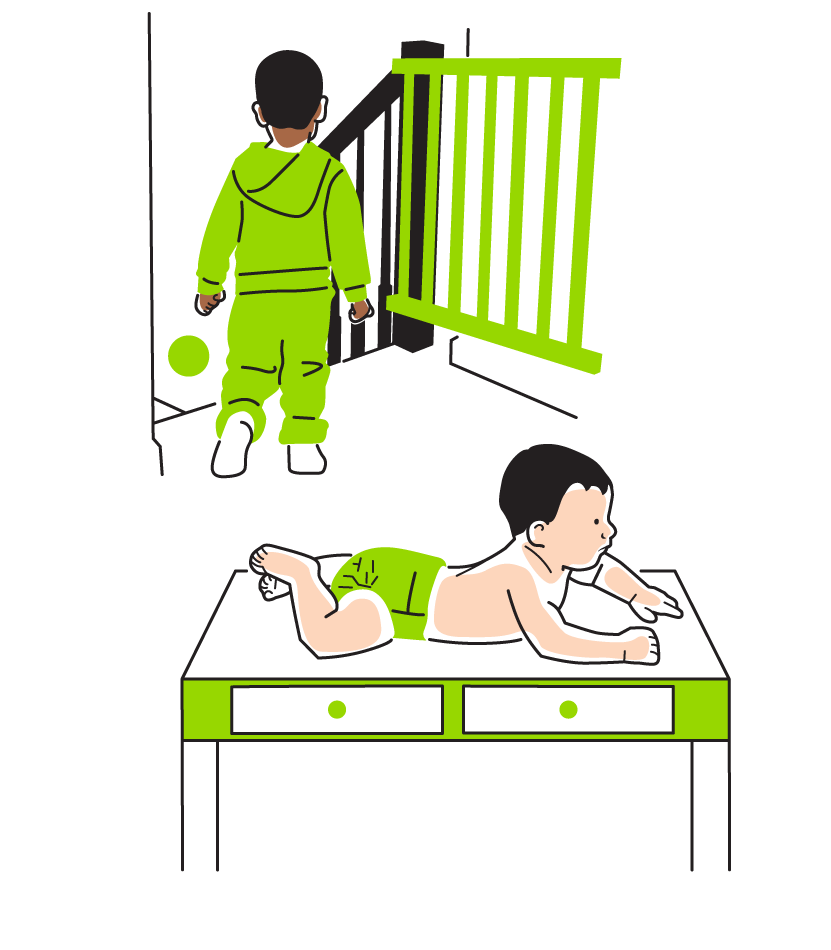
Falls are one of the most common causes of injury in young children. While many result in minor bumps and bruises, some can lead to serious injuries. As babies and young children learn to roll, crawl, climb and explore, their developing balance and coordination can increase the risk of falls. This section provides practical advice to help parents, carers and professionals reduce risks at home and support children to explore safely and confidently. |
 |
Common fall hazards
Stairs:
|
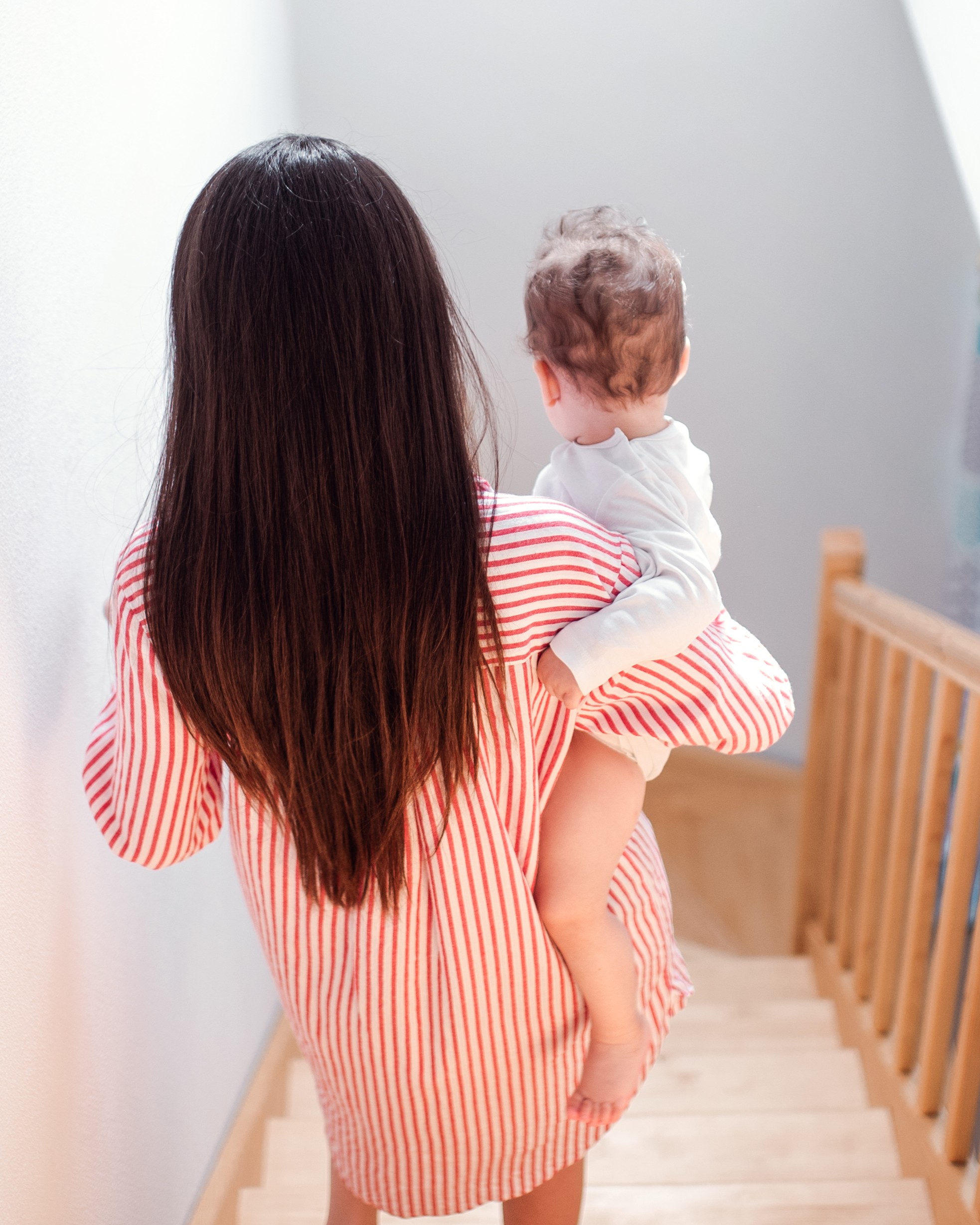
Stairs are one of the most common locations for serious falls, particularly for toddlers and young children. Risks can also increase when adults are carrying children up or down the stairs.
|
To help prevent falls: Always:
|
Safety gates:
|
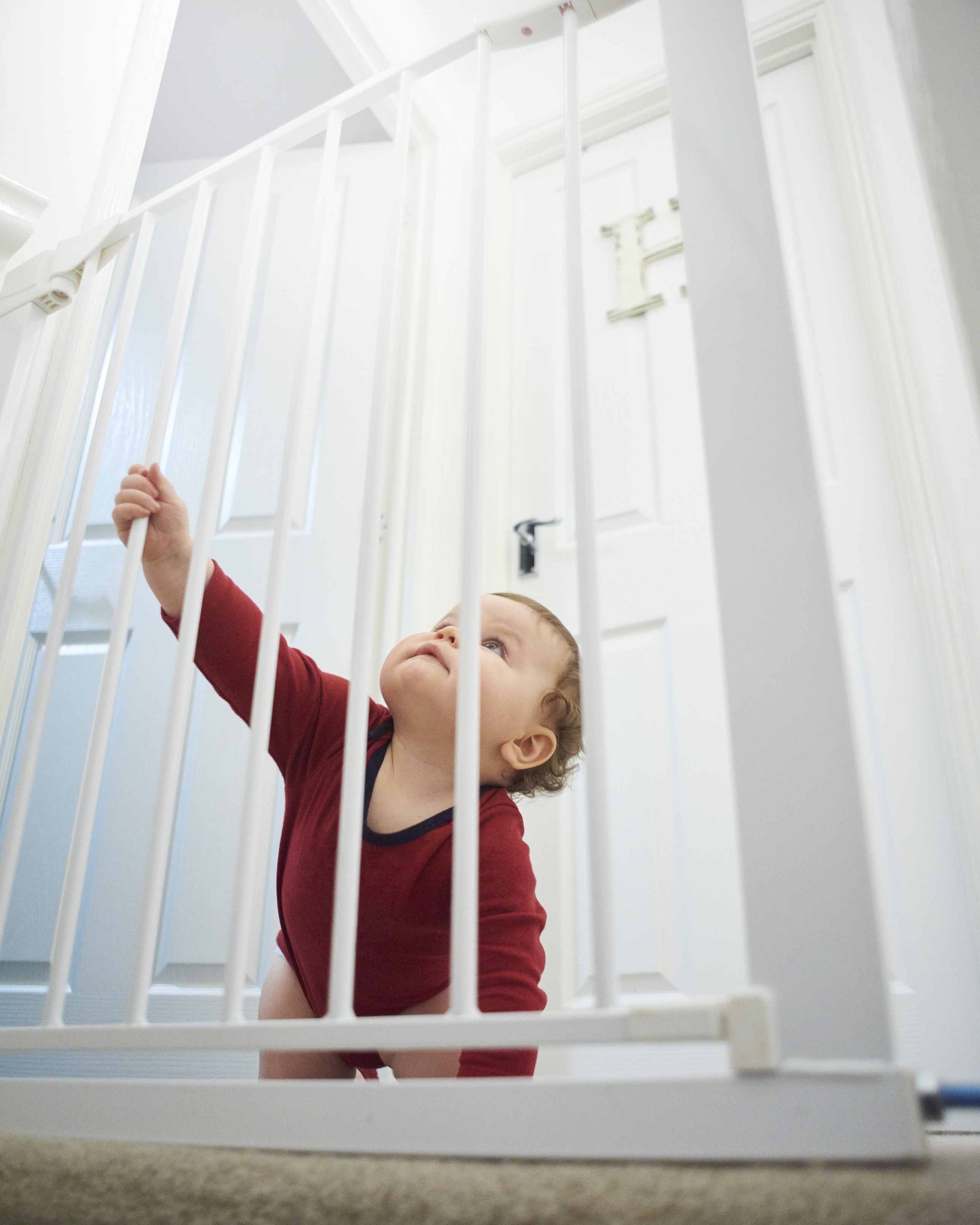
For children under 24 months old, install wall-mounted safety gates to restrict access to both the top and bottom of the stairs. When buying a safety gate: Always:
|
|
Windows:
|
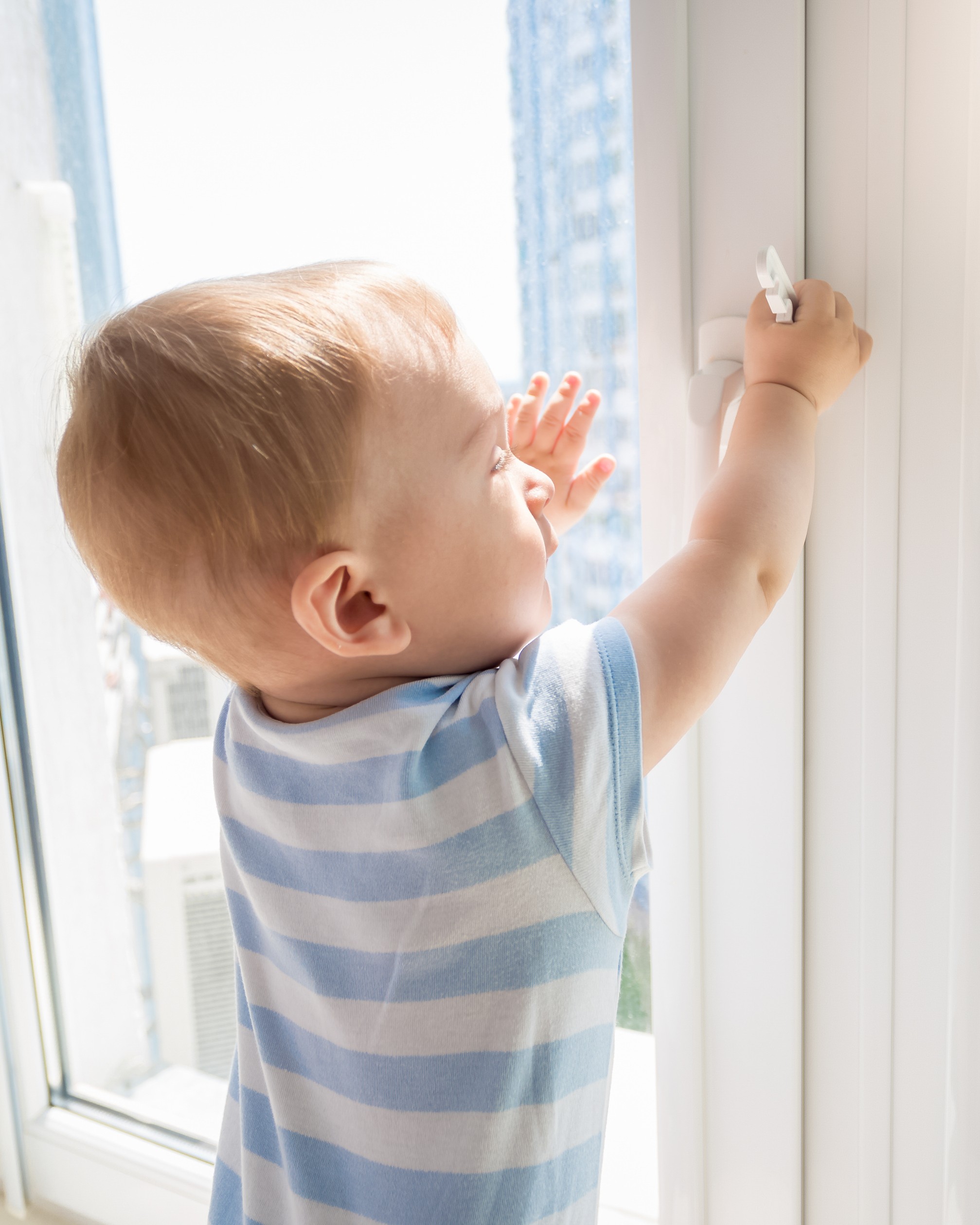
Young children are curious and may climb to look outside. However, they may not recognise the danger of an open window. Simple precautions can help prevent falls from windows:
|
Always:
Remember: Small changes can make a big difference in keeping children safe. |
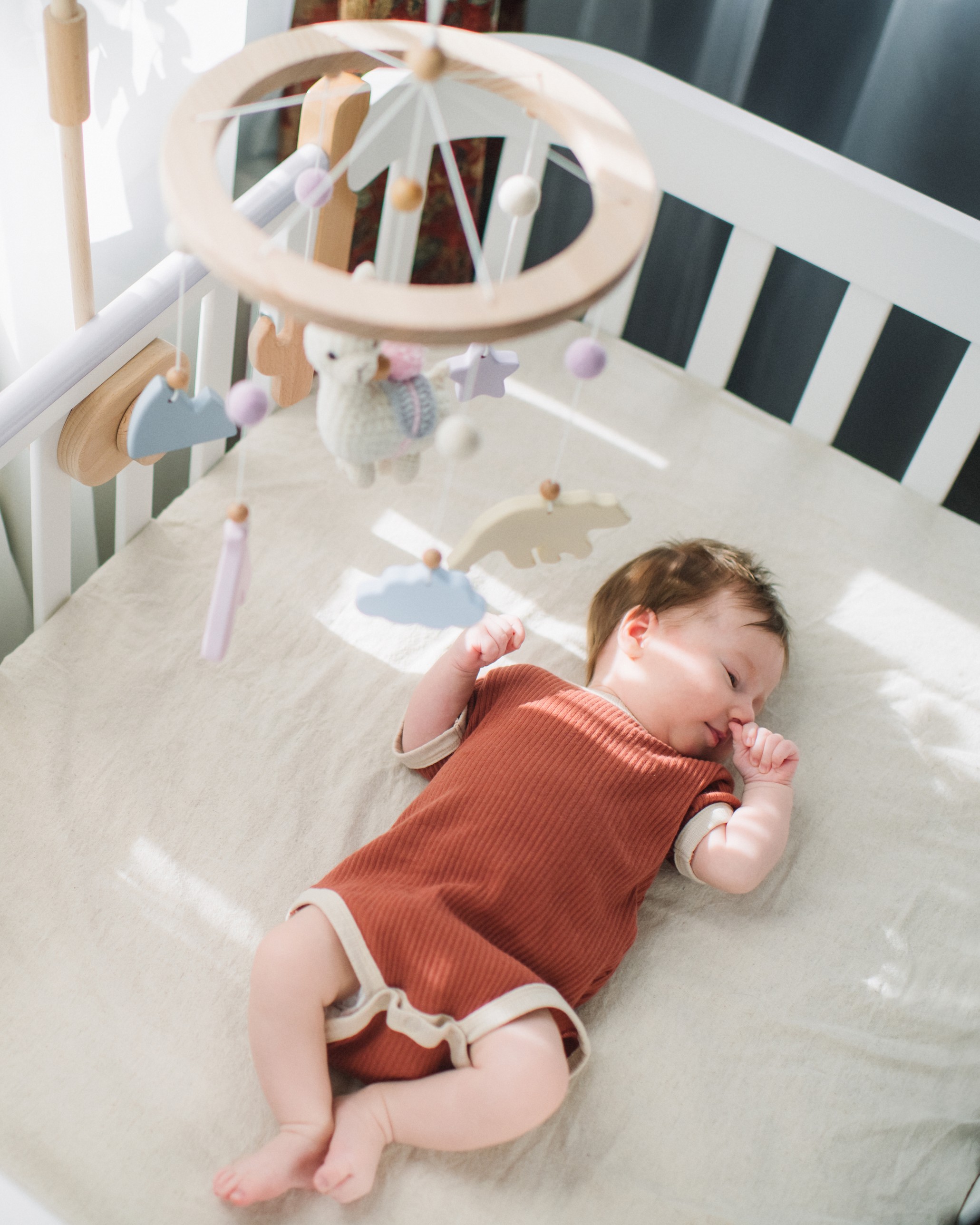
Cots, beds and changing stations:
|
Young babies can wriggle or roll from a bed or changing table. Where possible, change nappies on the floor and never leave babies unattended on raised surfaces. Always:
Never:
|
|
Highchairs:
|
|
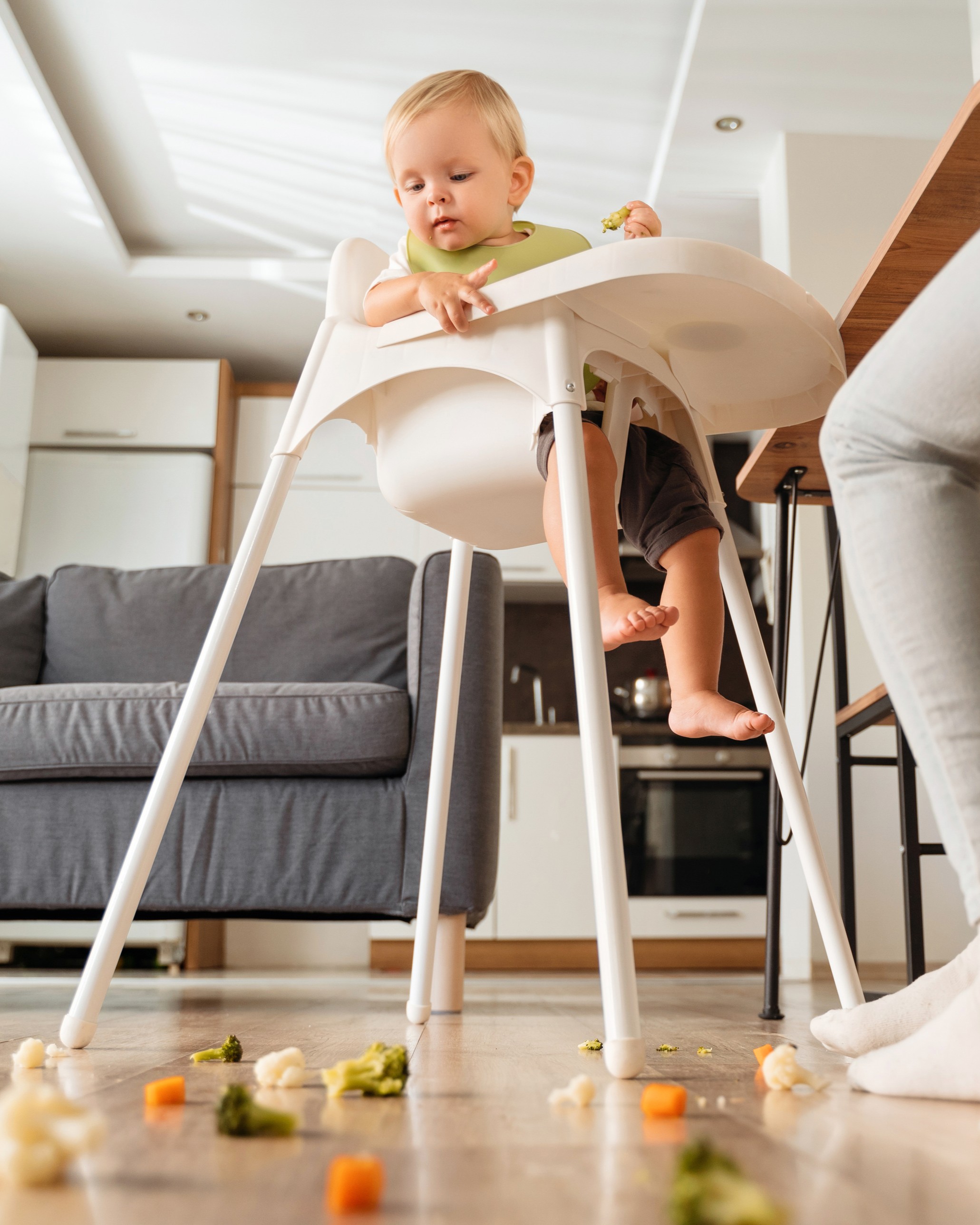
Children often lean, reach and wriggle while sitting in a highchair, increasing the risk of falls. To keep children safe: Always:
Never:
|
Baby Walkers:
|
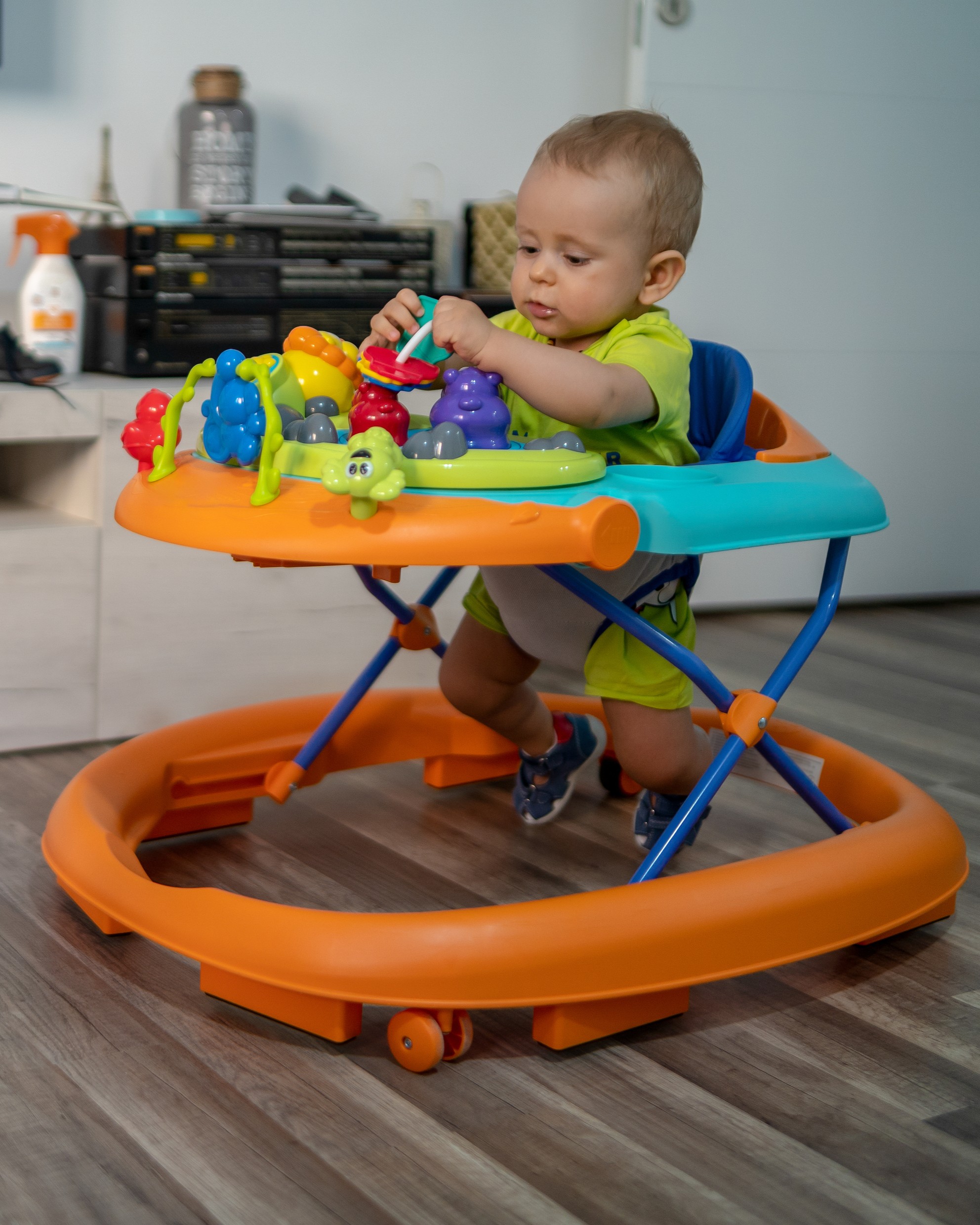
RoSPA and many health professionals do not recommend baby walkers. Research has shown that baby walkers:
Instead, support development through supervised floor-based play, such as:
|
If a baby walker is used, it should meet the current safety standard BS EN 1273:2020 and be used for short periods only and should never replace close supervision.
|
Trampoline Safety:
|
Trampolines can provide active outdoor play and exercise, but they also carry a risk of injury. Most injuries are minor, but serious injuries can occur. Before you buy: Choose a trampoline that:
|
Inspection and maintenance: Regularly check:
Remove ladders when the trampoline is not in use to prevent younger children accessing it unsupervised. Where to place it:
Allow at least 2.5 metres of clear space around the trampoline if no netting is fitted. Remove toys and keep it away from trees, washing lines, poles, glass frames, and hard surfaces. Do not place it on concrete, tarmac, or hard-packed ground unless suitable safety matting is used. Always:
Never:
|
Explore more child safety advice:

Burns and Scalds

Poisoning

Drowning Prevention

Choking

Playtime tips
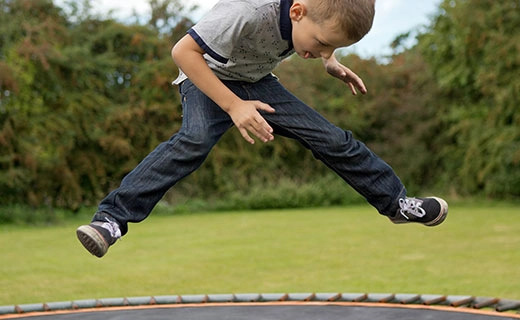
Trampoline safety
Advice for home and garden trampolines.
Other things to watch out for
Everyday hazards around the home and garden can increase the risk of slips, trips and falls.
Remember to:
- Never leave babies unattended on raised surfaces
- Change nappies on the floor wherever possible
- Not place baby bouncers on raised surfaces
- Always use five-point harnesses in prams, pushchairs and highchairs
- Maintain garden play equipment and check for wear or damage
- Keep furniture away from windows
- Use window locks and restrictors where fitted
- Replace loose carpets and damaged flooring
- Remove trailing wires and cables
- Clean up spills straight away to reduce the risk of slips.
Key Takeaways
|
|