- Home
- Home safety
- Child safety at home
- Child Safety Hub Child Car Seats

Select from the following help and guidance
Car seats
Choosing and using child car seats safely
|
A correctly chosen and fitted child car seat is one of the most effective ways to protect a child in the event of a collision. Child car seats are designed to support a child’s head, neck and body, helping to reduce the risk of serious injury. Children should be properly restrained on every journey, no matter how short. Key message for parents and practitioners: Use a child car seat that is suitable for the child’s height and weight, fits both the child and vehicle correctly, and is used every time they travel. |
 |
Child car seat law:
In the UK:
|
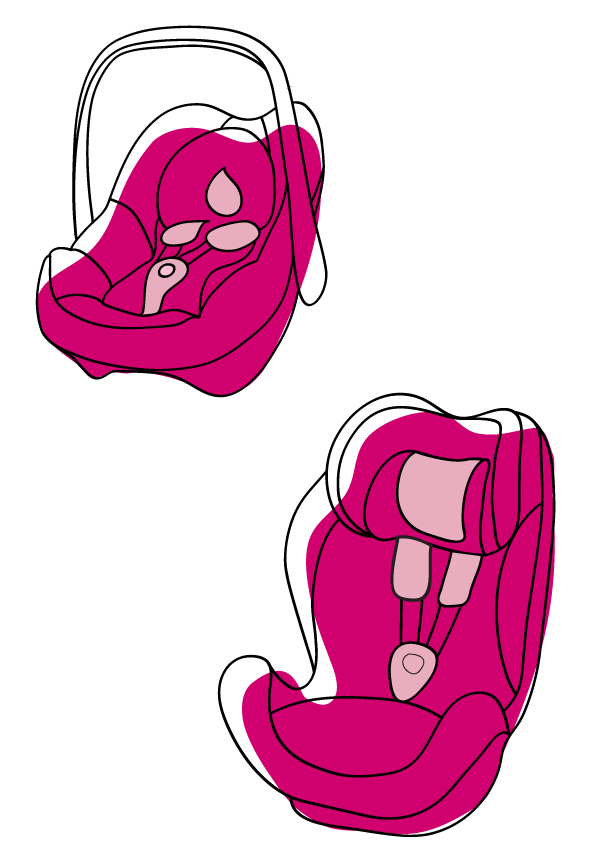
Child car seats are approved to safety standards based on either a child's heigh or weight:
For more information about child car seat rules, visit: Child car seats: the law. |
Choosing the right child car seat:
|
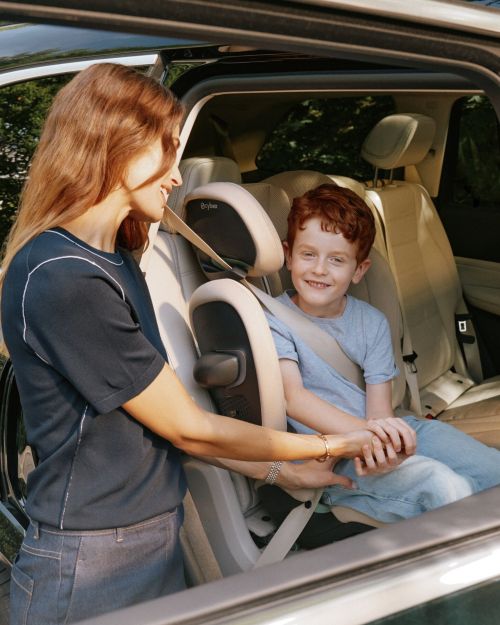
Choosing the right car seat is important for your child’s safety. A child seat should be suitable for the child’s height and weight and be compatible with the vehicle(s) it will be used in. Car seats can be fitted using the vehicle seatbelt or ISOFIX attachment points. Many car seats now use ISOFIX attachment points, which can make installation easier and reduce the risk of fitting errors. Check your vehicle handbook to see whether your vehicle has ISOFIX points. Always:
|
Never:
|
Second-hand child car seats:
|
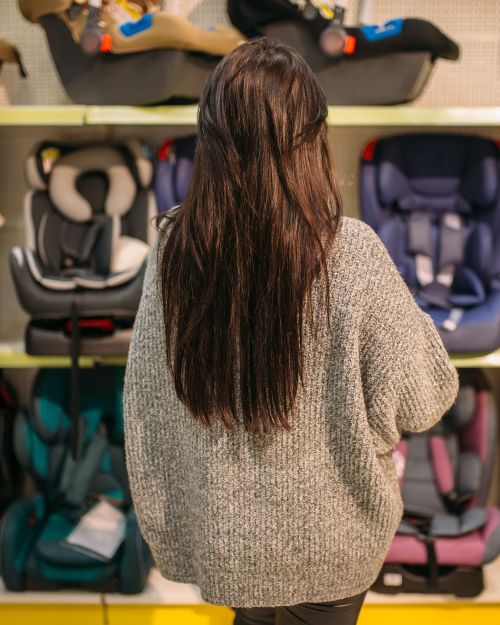
Using a second-hand child car seat is not generally recommended because it can be difficult to know its history. A seat that has been involved in a collision may have damage that is not visible, which could affect how well it protects a child in the event of a crash. Instructions might also be missing, making it harder to fit and use the seat correctly.
Only consider a second-hand seat if you are completely confident that: |
Never:
|
Rear-facing travel:
|
|
Rear-facing seats provide greater protection for babies and young children because they support the head, neck and spine in the event of a collision. It is recommended that children are kept rear-facing for as long as their seat allows, within the manufacturer’s height and weight limits. Extended rear-facing seats can allow children to travel rear-facing until around four years and beyond. |
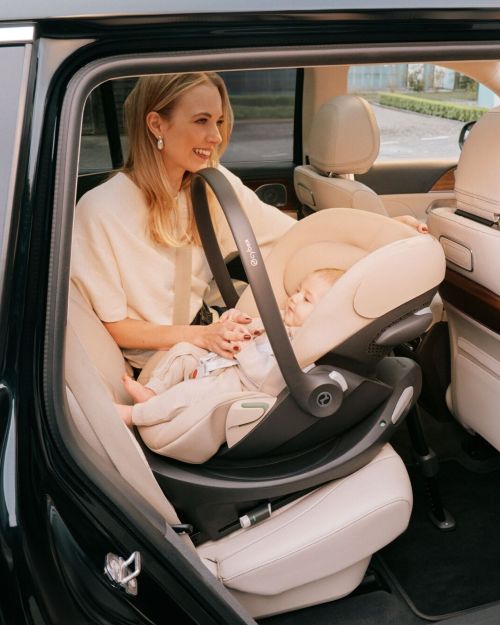
Using a child car seat correctly:
|
A child car seat cannot provide full protection if it is not fitted and used correctly. Always:
Never:
|
As children grow, they may move from a child seat with a harness to a high-back booster seat or booster cushion, which helps position the adult seat belt correctly. RoSPA recommends the use of high-backed booster seats, as they offer better protection in the event of a crash. |
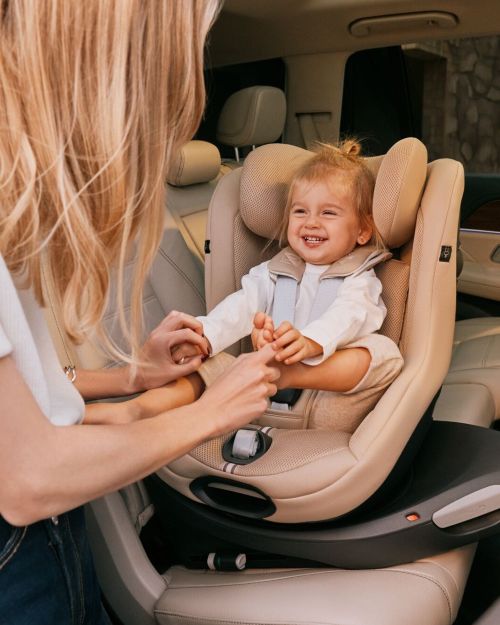
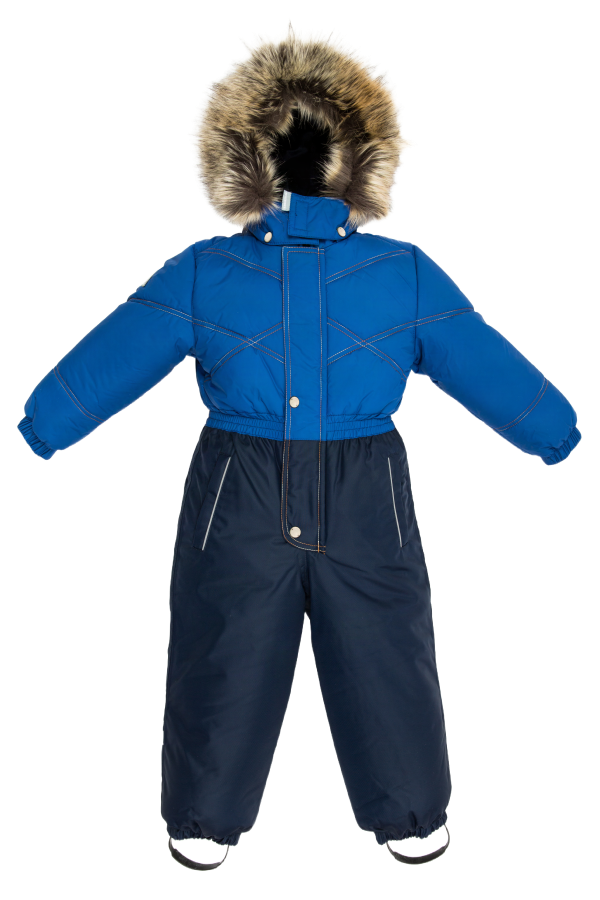
Bulky coats and clothing
Thick coats, snowsuits and other bulky clothing can prevent harnesses fitting properly, reducing the protection they offer in the event of a collision.
Always:
- Remove bulky outer clothing before securing your child
- Tighten the harness so it fits close to the child’s body.
Never:
- Allow your child to travel in a car seat wearing thick coats or other bulky clothing.
Remember:
The safest child car seat is one that fits your child, fits your vehicle and is used correctly every time. Even short journeys require the same care and protection as longer trips.