
- Home
- Home safety
- Child safety at home
- Child Safety Hub Fire

Select from the following help and guidance
Fires
Fire safety at home
|
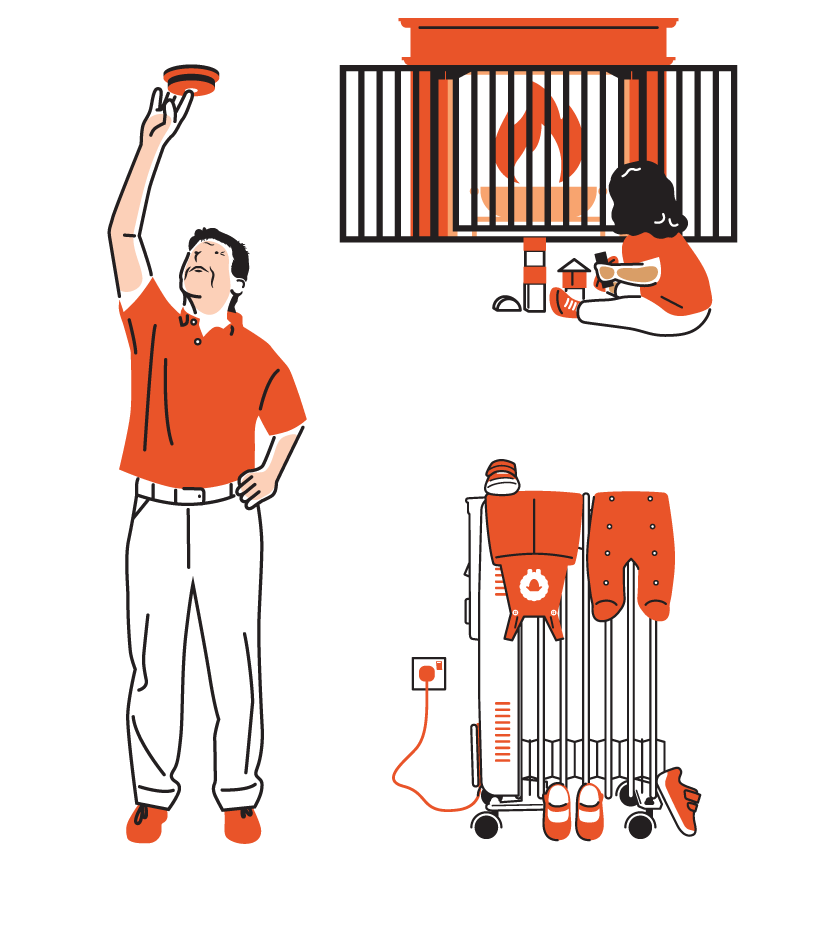
Most fires happen in the home, where young children can be particularly vulnerable. Their natural curiosity means they may not recognise potential dangers. Simple precautions and safer everyday habits can greatly reduce the risk of fire, burns and serious injury. This section provides practical advice to help parents, carers and professionals identify fire hazards, improve home safety and protect children from harm. |
 |
Keep children safe around fires and heaters:
|
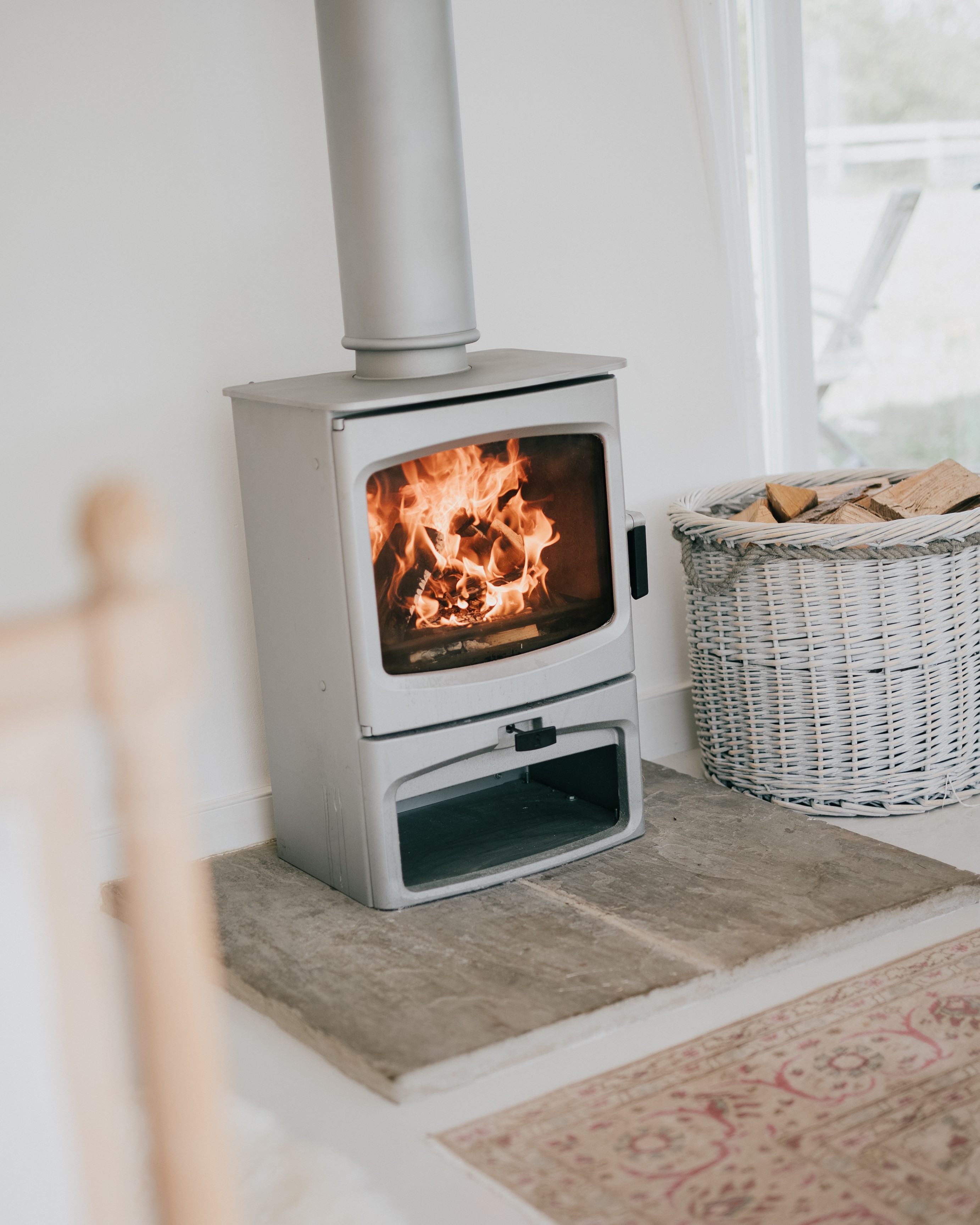
Open fires, wood burners, gas fires, electric heaters and portable heating appliances can all cause serious burns.
|
Always:
|
Costumes, celebrations and candles:
|
Dressing up, parties and celebrations should be fun, but costumes and loose fabrics can catch fire quickly when exposed to flames or heat. Always:
Never:
More information can be found at RoSPA - Halloween safety. |
|

Install and test smoke alarms:
|
|
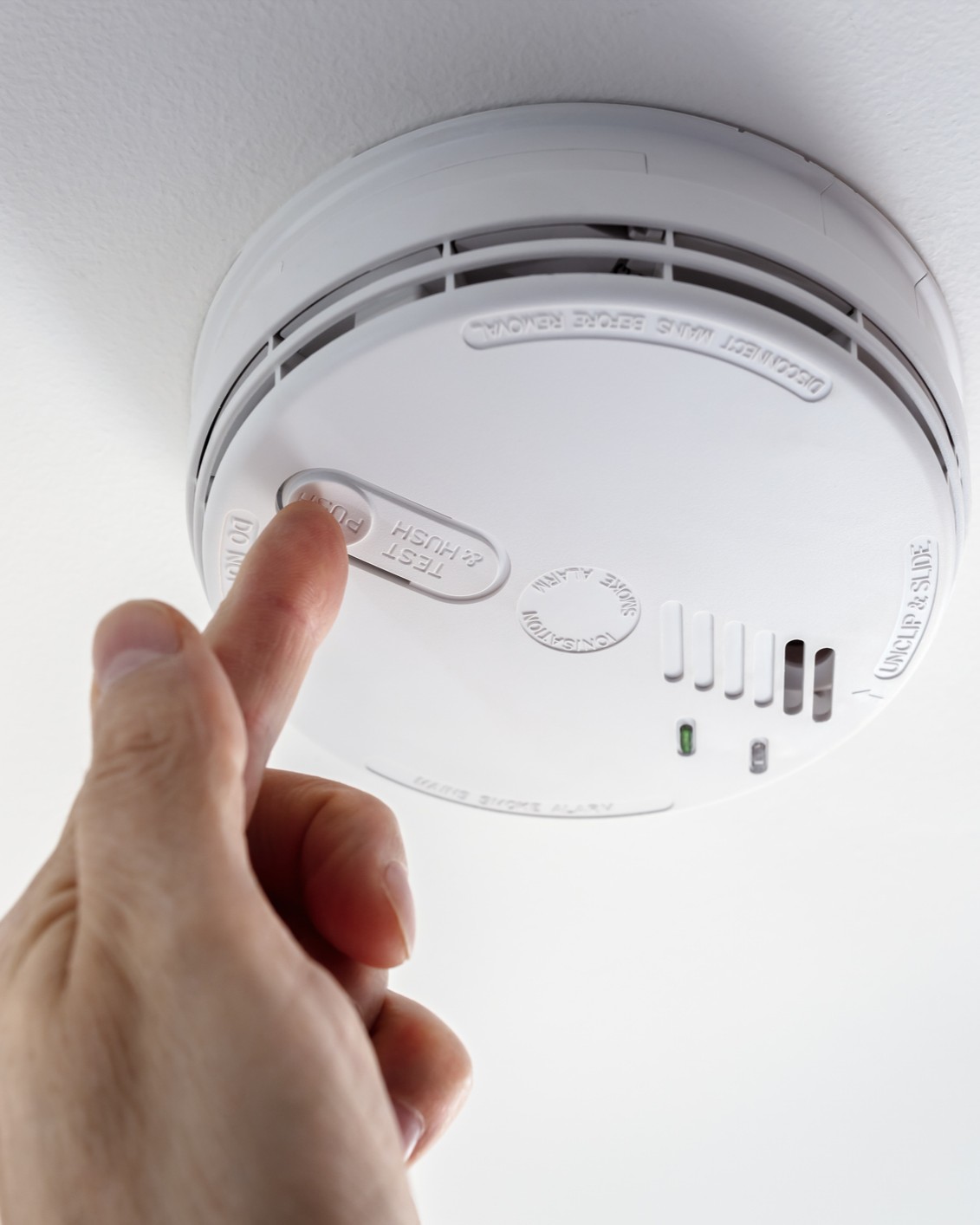
Smoke alarms are one of the most effective ways to protect your family. They provide valuable early warning, giving everyone more time to escape safely. Always:
|
Fireworks and bonfires:
|
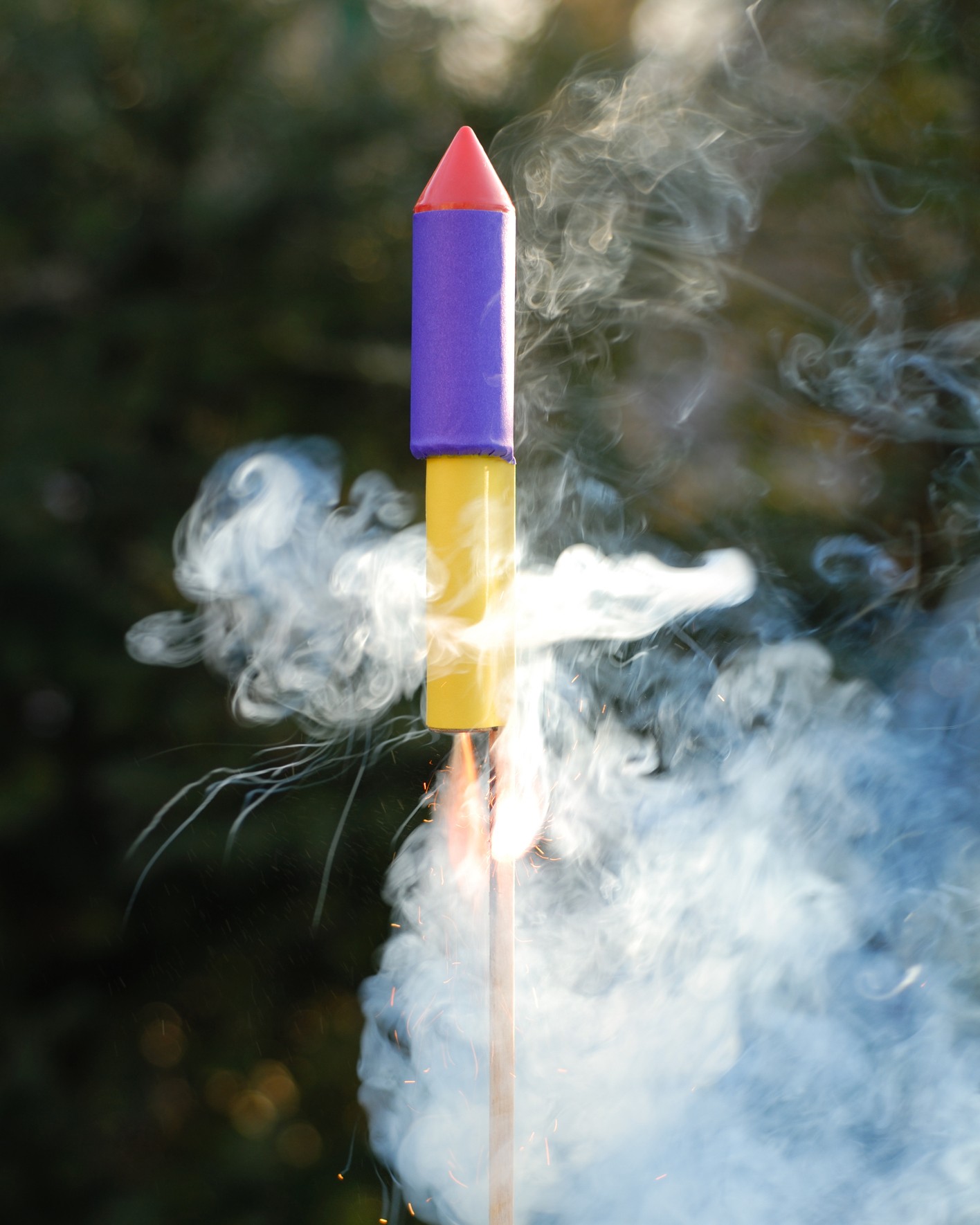
The safest way to enjoy fireworks is at an organised public display. Fireworks, sparklers and bonfires can cause serious injuries if safety precautions are not followed. Always:
Never:
|
Remember: Only adults should buy, set up, light and dispose of fireworks. |
Prevent everyday fire risks:
|
Many fires start during everyday activities or through unsafe use of electrical products.
|
Always:
Never:
|
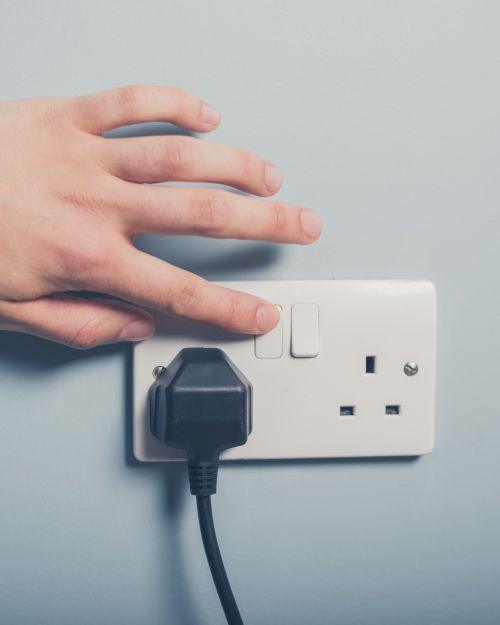
Electrical Safety Reminder: Register your appliances with the manufacturer or at www.registermyappliance.org.uk to receive important product safety information and product recall notices.
Know what to do in a fire
Every household should have a simple escape plan that everyone understands.
Think about:
- The quickest way out of each room
- How you will exit if your main route is blocked
- Where keys are kept
- Night-time arrangements for children
- A safe meeting place outside.
If there is a fire:
- Stay calm and act quickly
- Get everyone out immediately
- Do not stop to collect belongings
- Close doors behind when you leave.
Remember: If there is smoke, stay low where the air is clearer. If a door feels warm, do not open it. Once outside, call 999 and never go back into the building.
Questions to discuss with families
Use these questions to help families identify fire risks and improve home safety:
• Do you have working smoke alarms on every floor?
• When did you last test your smoke alarms?
• Are fires, heaters, candles, matches and lighters kept away from children?
• Does everyone in your household know how to escape if there is a fire?
• Have you agreed to a family meeting place outside of the home?
• Have you discussed and practiced a simple fire escape plan?