
- Home
- Home safety
- Child safety at home
- Child Safety Hub Drowning

Select from the following help and guidance
Drowning
Preventing drowning at home
|
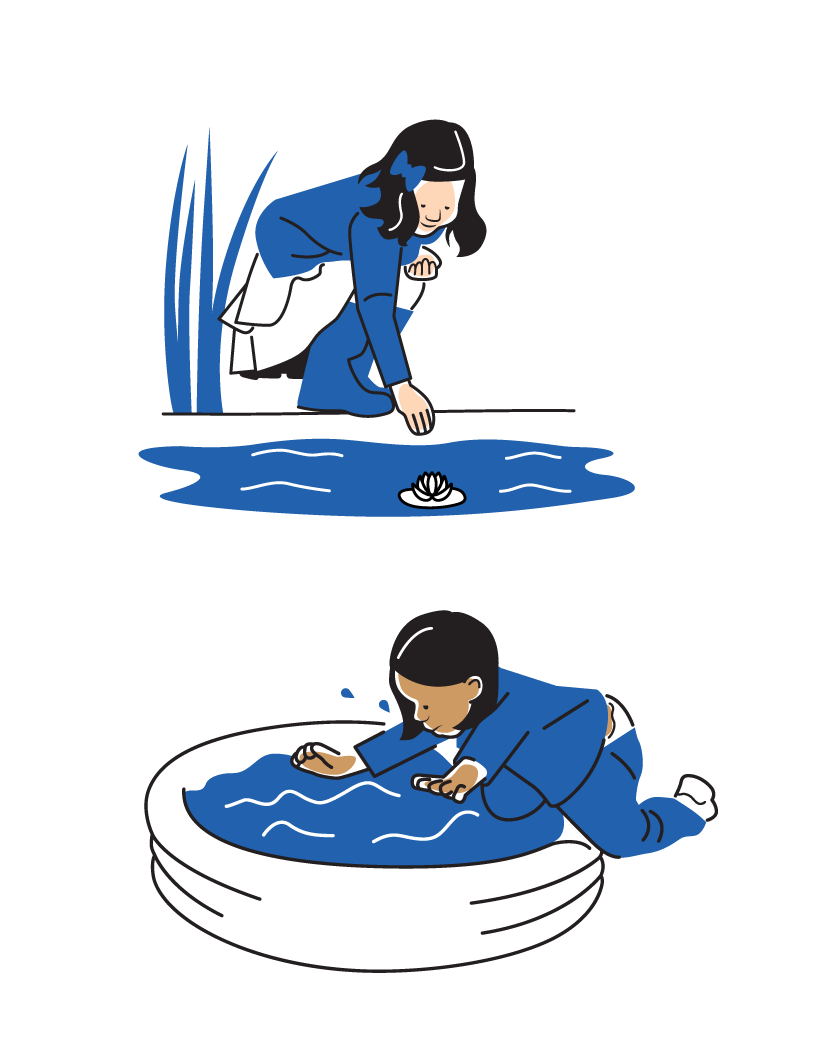
Babies and young children can drown quickly and silently in very shallow water. At home, the main drowning risks include baths, garden ponds, paddling pools, hot tubs and any container that can collect water. The most effective way to prevent drowning is constant, close adult supervision. Key message for parents and practitioners: Always keep babies and young children within arm’s reach whenever they are in or near water. Never rely on older children, bath seats, inflatables or barriers to supervise or protect a child. |
 |
Bath safety:
|
|
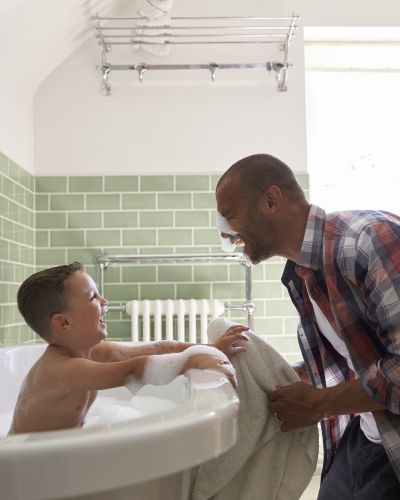
Bath time should always be supervised by a responsible adult. Prepare everything you need before starting and remain in the bathroom throughout. Always:
Never:
|
Bath seats:
|
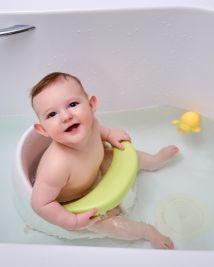
Baby bath seats may appear helpful, but they can create a false sense of security. A bath seat is designed to support your baby; it is not a safety device. If you use a bath seat, you must still supervise your child continuously and remain within arm’s reach. When using a bath seat: Always:
Never:
For more information on bath seats, please visit RoSPA baby bath seats. |
|
Garden and outdoor water safety:
|
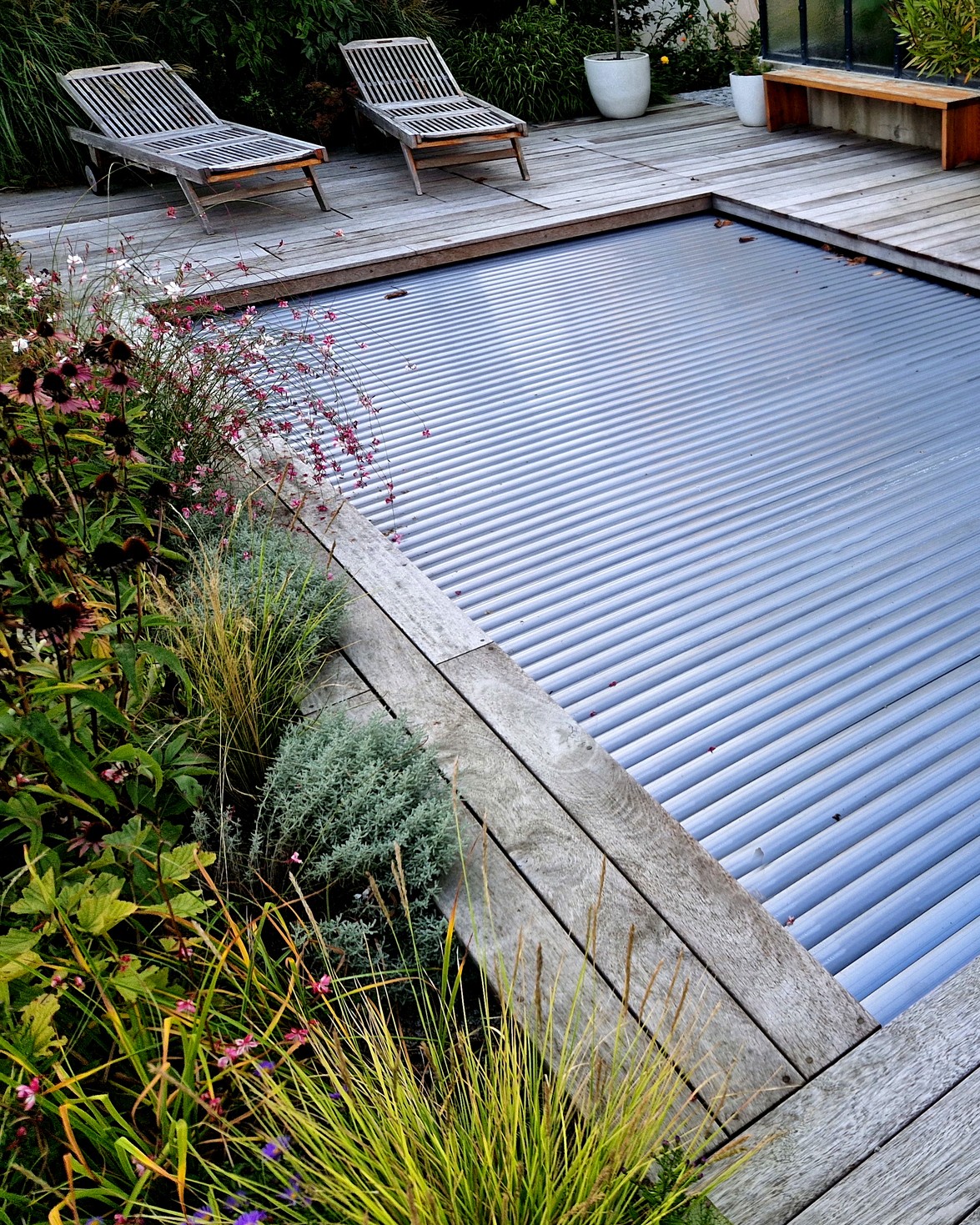
Garden ponds can be attractive features and valuable for wildlife, but they can present a serious drowning risk to young children. If young children live in or regularly visit your home, consider restricting access to ponds until they are old enough to understand water safety.
|
Grille it!
Fence it!If fencing is used it should:
Fill it!Consider temporarily converting the pond into an alternative feature, such as a:
For more information, visit RoSPA - Pond safety |
Paddling pools and hot tubs:
|
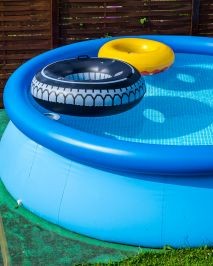
Paddling pools and hot tubs can be enjoyable for families, but they can also pose a drowning risk to young children. Children should always be supervised closely whenever they are in or near water, regardless of depth. Always:
Never:
|
Remember:When visiting other homes or gardens, look for water risks before children start to play. For more information on hot tubs, visit RoSPA Hot tub safety and for more on garden safety, visit RoSPA garden safety
|
Explore more child safety advice:

Burns and Scalds

Poisoning

Drowning Prevention

Choking
