- Home
- Home safety
- Child safety at home
- Child Safety Hub Poisoning

Select from the following help and guidance
Poisoning
Poisoning
|
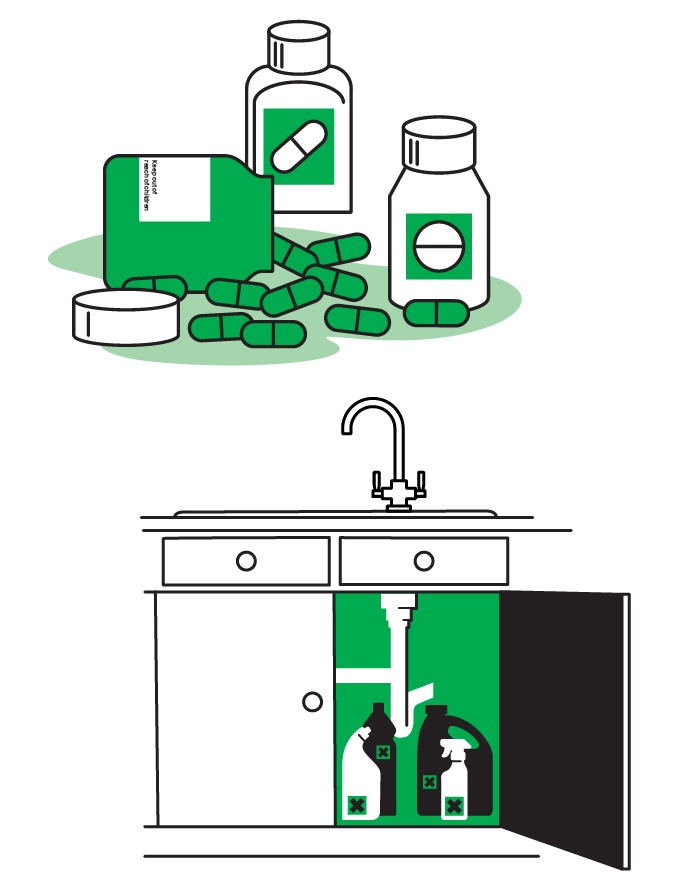
Accidental poisoning can happen when children find and swallow medicines, cleaning products or other household substances. Young children are naturally curious and often explore through touch, taste and smell. Items that look colourful or resemble food and drink can be especially appealing. This section provides practical advice to help parents, carers and professionals store, use and handle products safely to reduce the risk of poisoning at home. |
 |
Preventing accidental poisoning in children
|
Most accidental poisonings involve children under-five. Around seven children under-five are admitted to hospital daily due to suspected poisoning.
|
To help prevent accidental poisoning: Always:
|
Never
- Transfer chemicals, medicines, cleaning products or e-refill liquids into drinks bottles, food containers or unlabelled packaging.
- Leave hazardous products unattended within a child's reach.
- Assume child-resistant packaging is completely child-proof.
- Mix chemicals or cleaning products, they can create dangerous gases.
What increases the risk of accidental poisoning?
Risk increases when products are left within reach, stored in unlabelled containers, or transferred into different packaging. These practices can make hazardous items easier for children to access or mistake for food or drink.
When do accidental poisonings happen?
Poisoning can happen at any time of the day, but risks increase:
- When products are left within the reach of an inquisitive child
- When routines change or there are major changes within the family
- Children are in a different environment, such as visiting friends or relatives
- An adult’s attention is diverted, even briefly
- Through simple mistakes when transferring products into a different container.
Common household poisoning hazards:
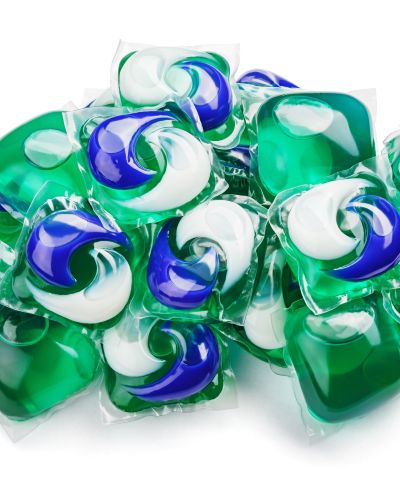
Cleaning productsEveryday cleaning products play a significant role in keeping homes healthy and safe but can cause serious harm if swallowed, inhaled or splashed into the eyes. Do not rely on safety caps alone. They can slow children down but are not childproof. Laundry productsLaundry capsules and concentrated detergents can be very harmful if swallowed, squeezed onto skin or splashed into the eyes. Their bright colours and small size can make them look appealing to young children. |
|
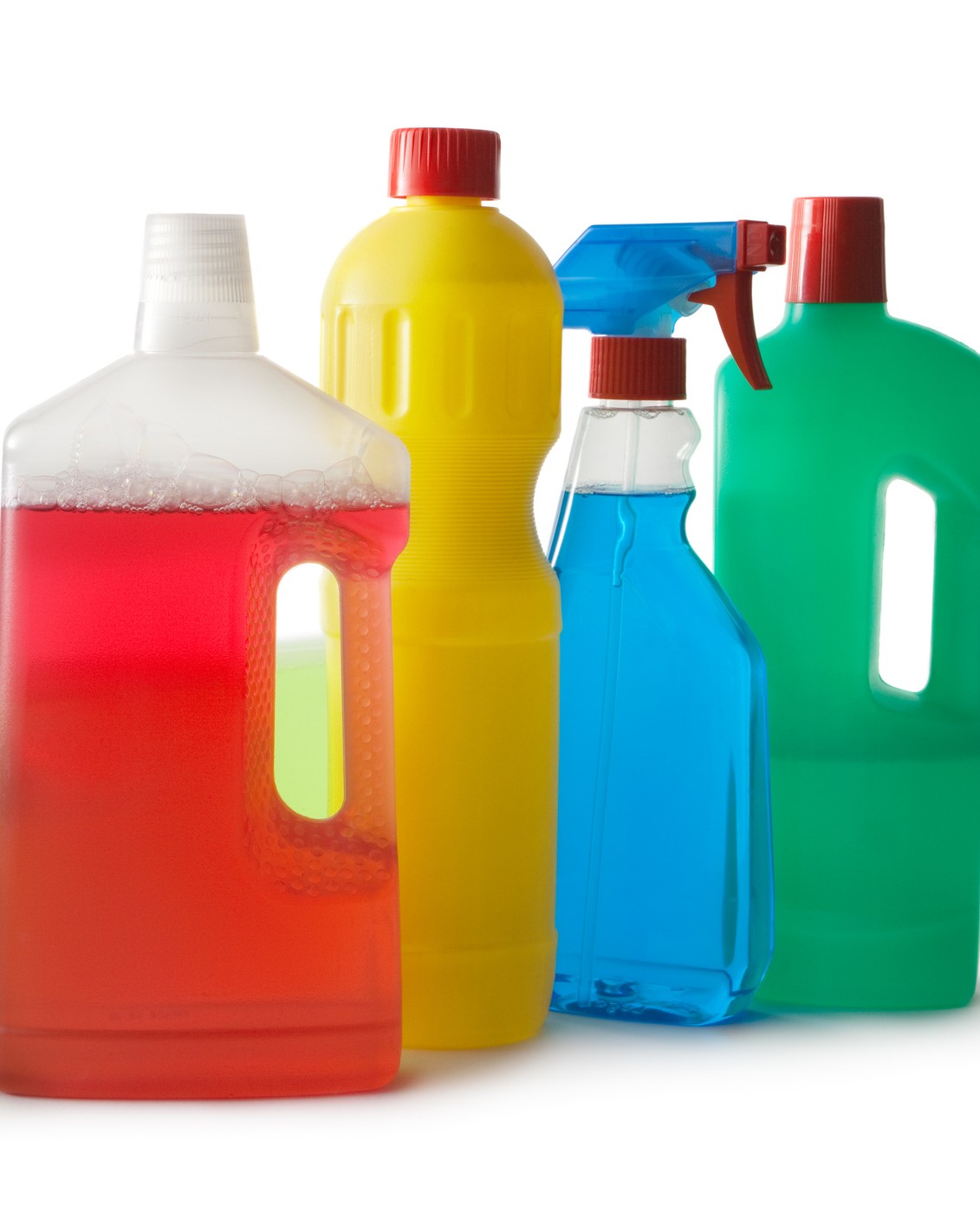
- Do not leave capsules or detergents on top of washing, worktops or the washing machine.
- Put products away straight after use and close packaging securely.
- Try to choose products with safety features where possible but continue to store all laundry products safely.
- Avoid decanting cleaning products into decorative jars, spray bottles or other containers. This can remove important safety information and increase the risk of accidental poisoning.
- Cleaning products can cause serious harm, including burns to the skin, eyes, mouth or throat
- Original packaging may include child-resistant closures designed to reduce the chance of accidents
- Labels provide essential information on ingredients, safe use and first aid if an accident happens
- Products kept in other containers can be mistaken for drinks, food or sweets, especially by young children.
Medication:
|
|
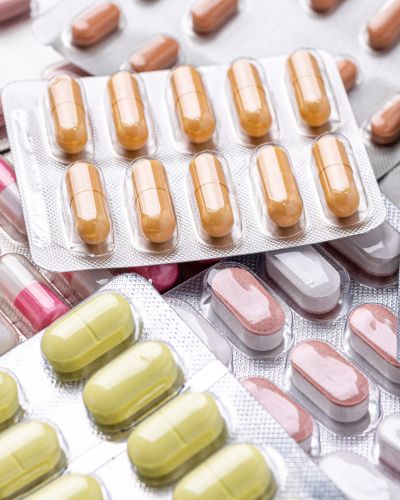
Medicines are a common cause of accidental poisoning in children. Everyday items such as painkillers can be harmful if left within reach (like in a drawer, on a table or in handbags, bedside tables or coat pockets). Medicines should always be stored securely and never described as sweets or treats as this can make other medicines seem appealing to children. Remember to:
|
Button batteries:
|
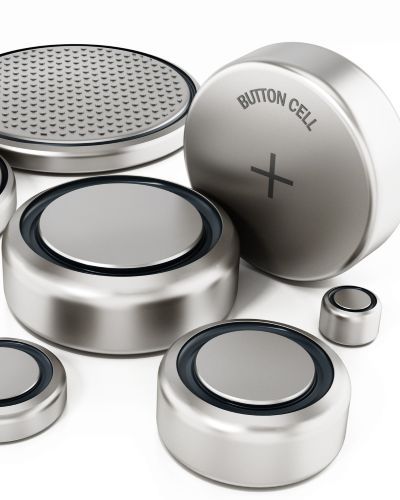
Button batteries, button cell batteries or coin batteries - are extremely dangerous to children if swallowed. They can be found in toys, remote controls, car keys, musical greetings cards and small electronic devices such as calculators and weighing scales. Check products regularly, store spare batteries safely and seek emergency medical help immediately if a battery may have been swallowed. Replacing button batteries:When buying replacement batteries, choose packs that keep each battery securely sealed where possible. Some cheaper packs can release all batteries once opened, increasing the chance that one may be dropped or left within a child’s reach. Used batteries can still be dangerous. Even when a device stops working, the battery may hold enough charge to cause significant injury if swallowed. |
|
Remember to:
- Look around your home for toys and products that may contain button batteries
- Check products for loose backs or missing batteries
- Store spare and used batteries safely, out of children’s reach
- Dispose of used button batteries responsibly and as soon as possible
- Act quickly if you think a child has swallowed a button battery: go straight to A&E or call 999.
For more information, visit: RoSPA - Button batteries
Electronic cigarettes and liquid refills:
|
|
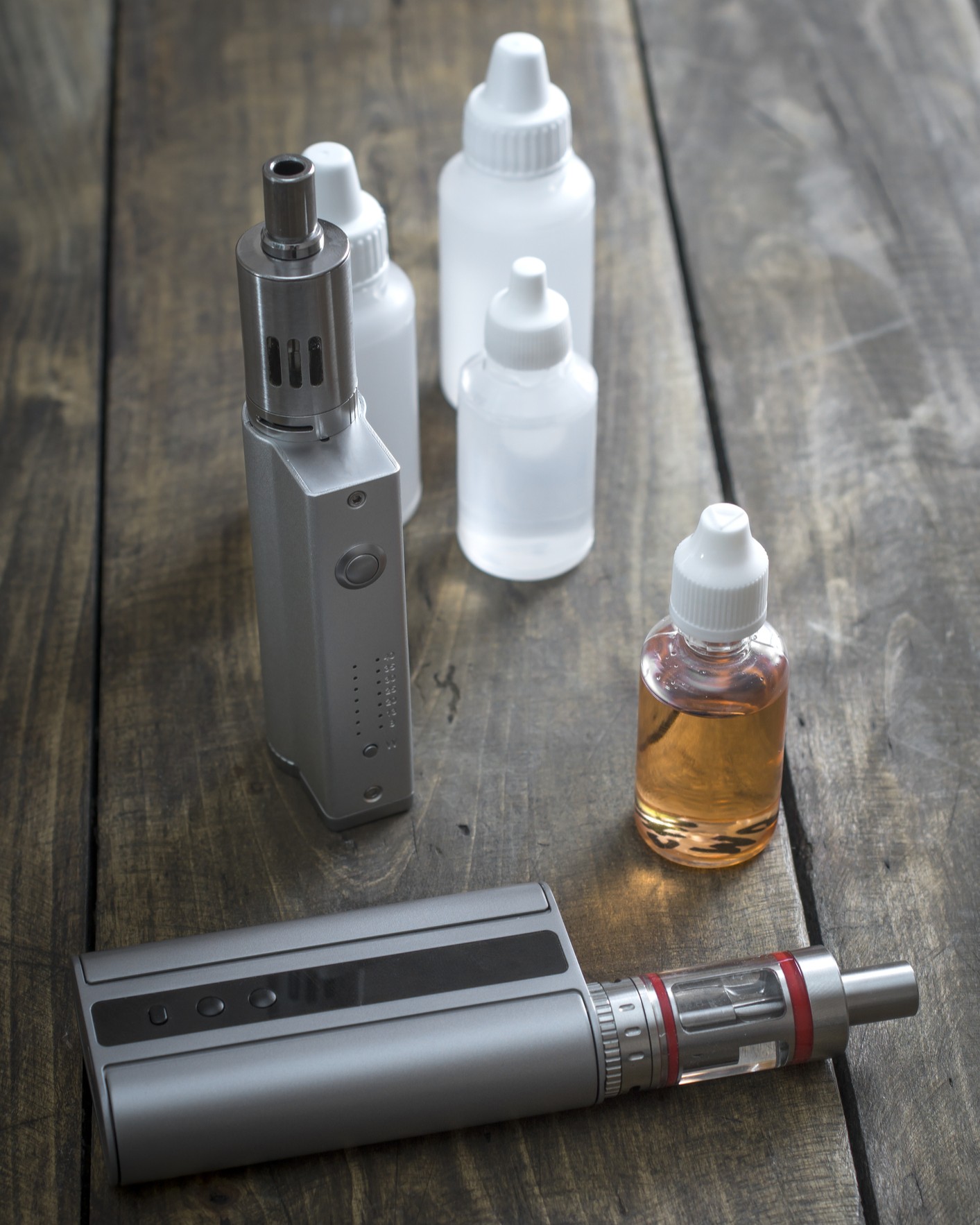
E-cigarette refills, also known as e-liquids, can be dangerous for children if swallowed, inhaled or absorbed through the skin. Many contain nicotine, which can cause poisoning even in small amounts. Young children are at higher risk because they are naturally curious and may mistake brightly coloured or flavoured liquids for something safe. Always:
|
Advice for practitioners
When discussing home safety with families, use clear, practical messages about reducing children’s access to e-cigarettes and refills. Encourage parents and carers to check common places where vapes may be left within reach, including handbags, coat pockets, cars, bedside tables and kitchen surfaces.
Chemicals and plants:
|
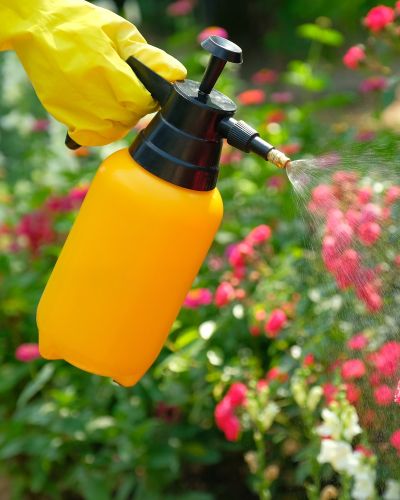
Gardens and outdoor spaces can support children’s health, play and learning, but they can also contain hazards that may cause poisoning or injury. Store chemicals securely and supervise children when they are exploring outside. Practitioners can support families by encouraging regular garden safety checks, using clear and non-judgemental messages, and reminding parents and carers that everyday outdoor products can be harmful to young children if they are accessible. Solvents:Solvents are found in many everyday products, including paints, paint thinners, adhesives, nail varnish remover, cleaning products, fuels and some garden chemicals. They can be harmful if swallowed, breathed in or absorbed through the skin. Always: Keep solvents out of reach of children, ideally in a high locked cupboard. |
|
Advice for practitioners
Encourage parents and carers to check kitchens, bathrooms, utility rooms, garages, sheds and handbags for products that may be within a child’s reach. Reinforce that child-resistant caps can slow children down but are not childproof. If a child may have swallowed, inhaled or had skin or eye contact with a solvent, seek urgent medical advice immediately.
Follow any first-aid advice on the product label and take the product container with you if medical help is needed.
For more information, visit: RoSPA-Garden safety
Carbon monoxide:
|
Carbon monoxide is a poisonous gas that you cannot see, smell or taste.
|
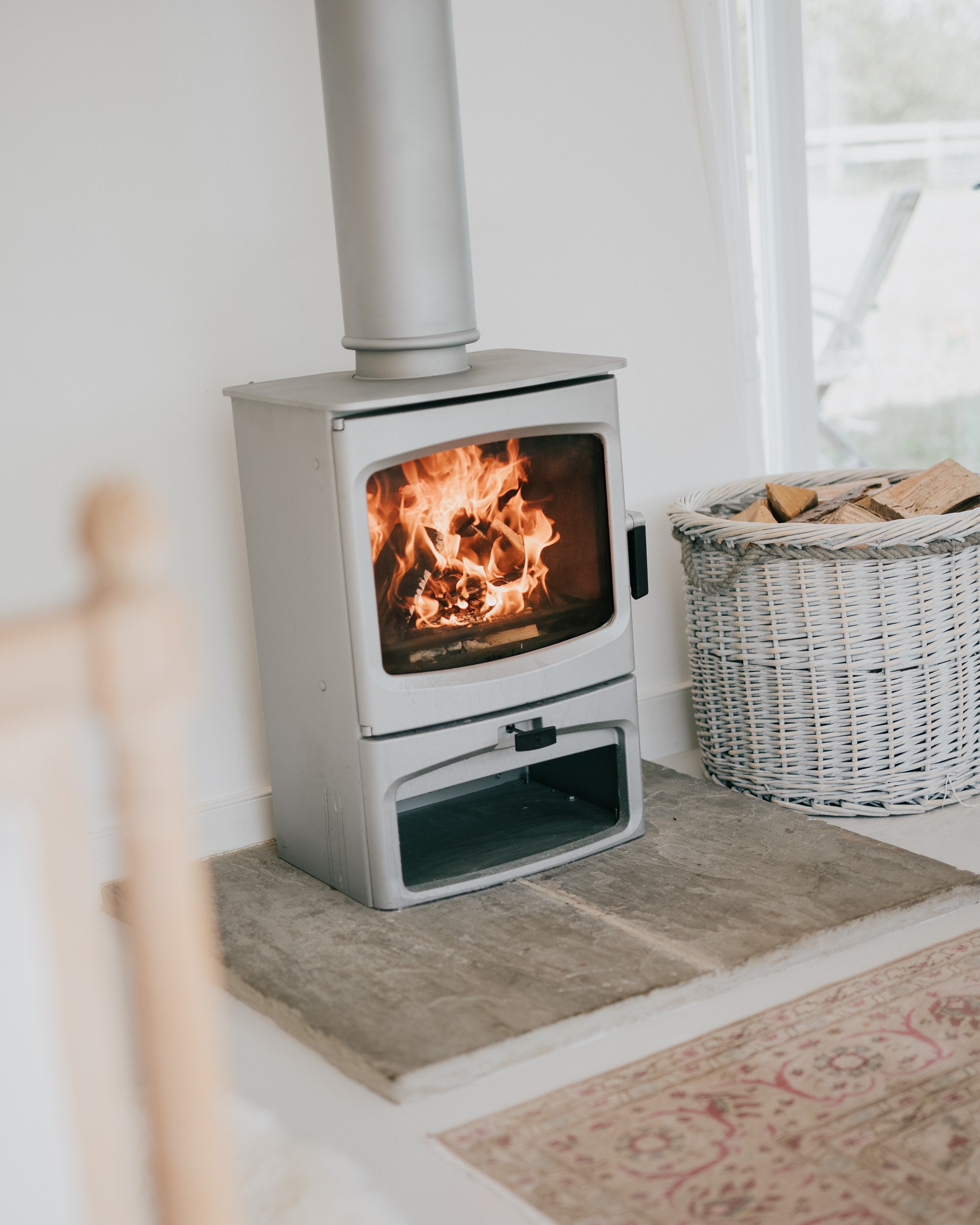
It can be produced when fuels such as gas, coal, oil, wood, petrol or charcoal do not burn properly. Breathing in carbon monoxide can make people seriously unwell and can be fatal. Babies, young children and pregnant women may be more vulnerable. Make sure fuel-burning appliances are maintained properly and know the warning signs of carbon monoxide poisoning. |
For more information please visit: RoSPA- Carbon monoxide safety.
Explore more child safety advice:

Burns and Scalds

Poisoning

Drowning Prevention

Choking

Playtime tips

Trampoline safety
Advice for home and garden trampolines.