Child safety at home guidance header


Select from the following help and guidance

Choking, suffocation and strangulation

Preventing choking, suffocation and strangulation

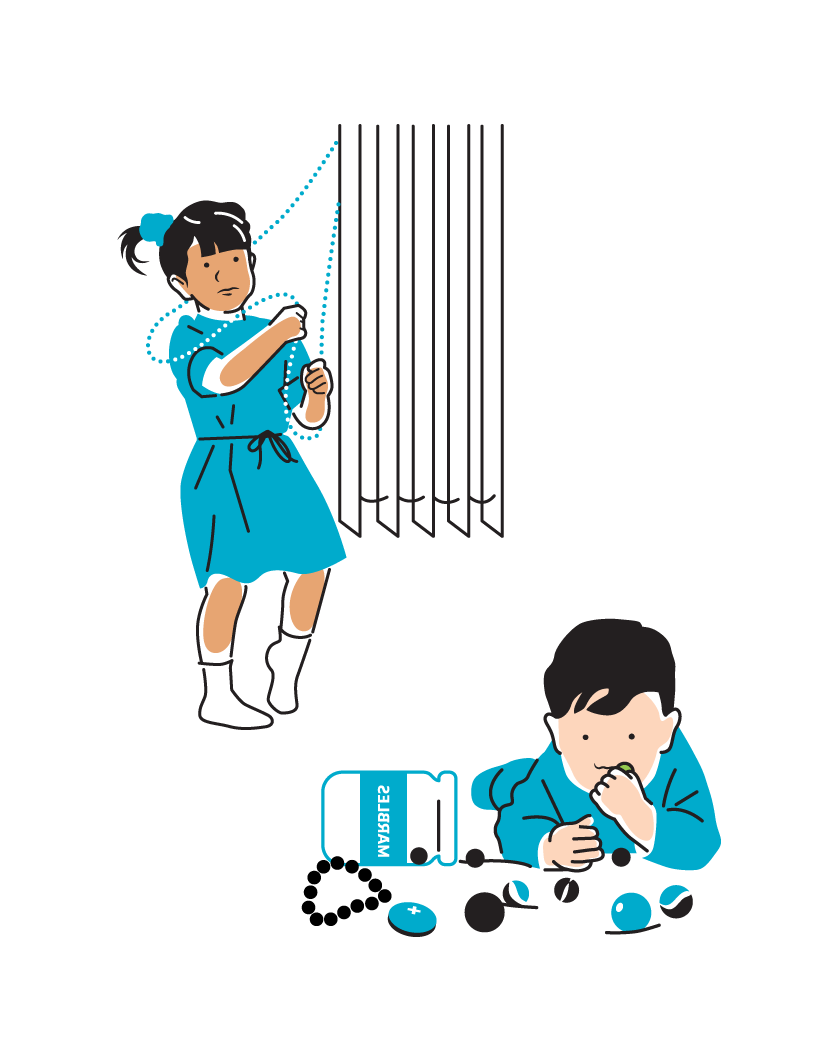
Children learn through exploration but some everyday household items, foods and products can pose serious choking, suffocation or strangulation risks.

Babies and young children are particularly vulnerable as they are still developing the skills needed to chew, swallow and recognise danger.

This section provides practical advice to help parents, carers and professionals identify hazards, reduce risks and create safer environments for children. 

Children with choking hazards


Blind cord and chain safety:


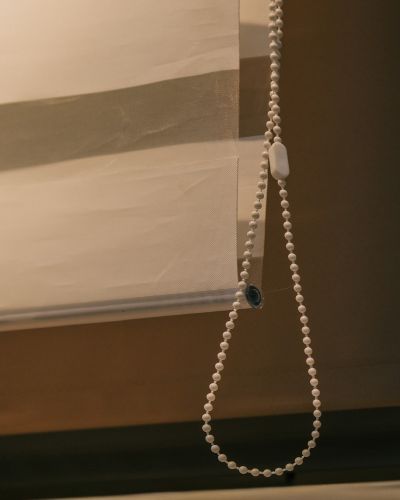
Blind cords and chains can pose a serious strangulation risk to babies and young children. Incidents can happen very quickly and silently, even in familiar places such as bedrooms and living rooms.  

The following steps help keep children safe:

Blind cord

For more information, visit: RoSPA - Blind cords

Always:

  • Keep furniture away from windows so children cannot climb up to reach cords or chains
  • Check every room where children spend time, not just bedrooms
  • Use suitable safety devices, such as tidies, tensioners or cleats, to secure cords and chains
  • Secure cords around cleats in a figure of eight. Fit at least 1.5m from the floor and out of children's reach
  • Follow the manufacturer's instructions and fit any safety devices supplied
  • Keep cots, beds, highchairs, playpens and other climbable furniture away from windows.

Never:

  • Cut cords or chains, as this may not remove the risk and could damage the blind
  • Fit a blind with a looped cord or chain in a child's bedroom
  • Leave older blinds in place if they cannot be made safe
  • Assume blinds are safe without checking cords, chains and safety devices. 


Other strangulation hazards:


Blind cords are not the only household item that can present a risk, young children can become entangled in other everyday items: 

Always:

  • Keep ropes, belts and other long cords out of reach
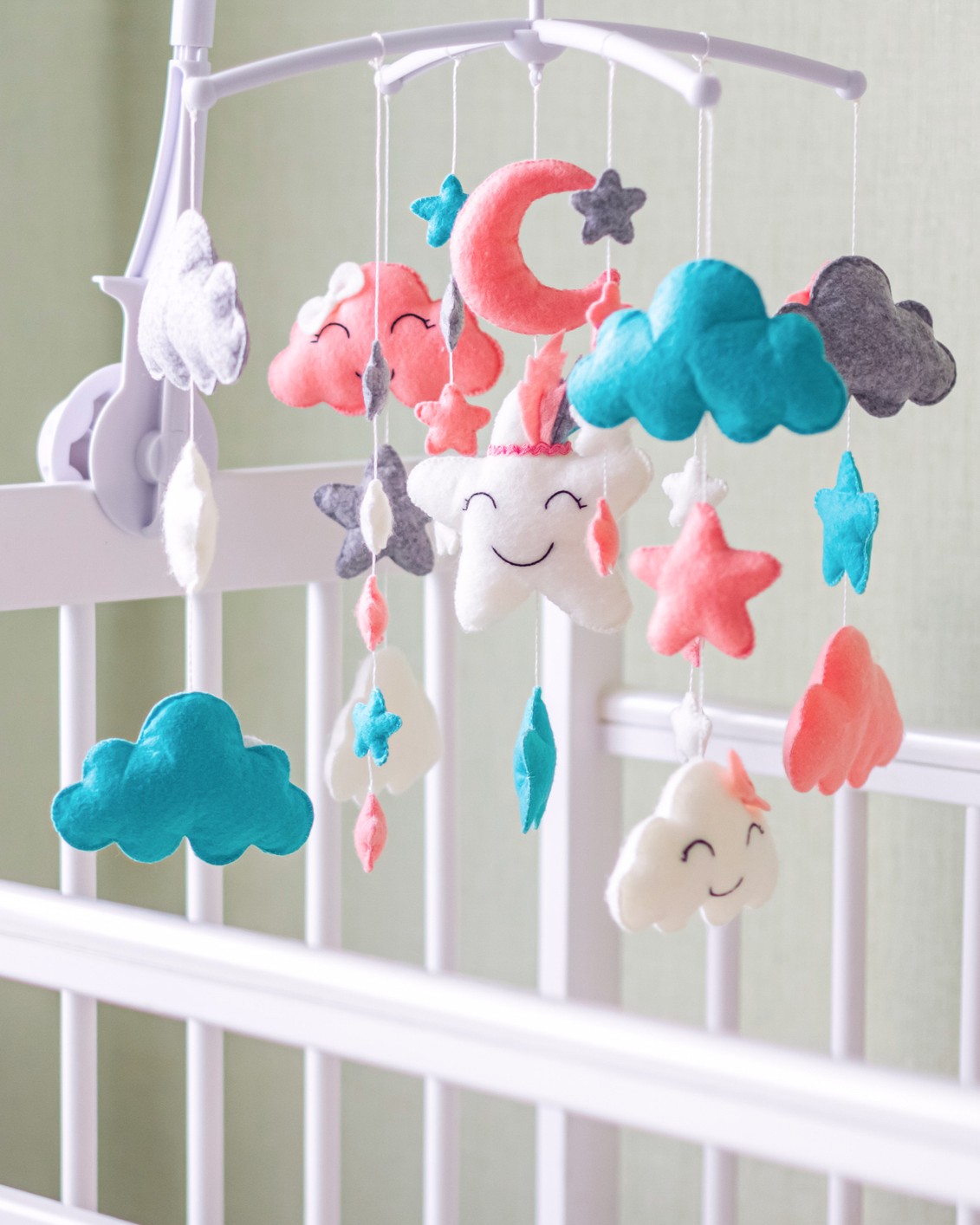
  • Remove cot mobiles and suspended toys once a baby can reach them
  • Check clothing and bags with drawstrings for potential hazards
  • Be aware of rotary washing lines when folded down.

Never:

  • Leave items with loops or long cords where children can access them.


A cot mobile


Nappy sacks:


Nappy sacks are thin plastic bags used to dispose of dirty nappies, but they can pose a serious risk if babies or young children can reach them. The thin plastic can cling to a baby’s nose and mouth, making it difficult to breathe:
Mum with baby in nappy


Always:

  • Keep nappy sacks and all plastic bags out of reach of babies and young children
  • Store unused sacks safely, away from cots, beds, changing areas and play spaces
  • Dispose of used sacks immediately.

Never:

  • Leave loose nappy sacks in a baby’s sleeping area, under a mattress or anywhere a child could reach them.  

For more information please visit: RoSPA Nappy sacks safety 


Choking:


Choking is a serious but often preventable risk for babies and young children. Food, toys and everyday items can all become choking hazards. Choking is recognised as one of the leading causes of accidental death worldwide and most choking-related deaths in early childhood happen in the home. The following steps can help keep children safe: 

Always:

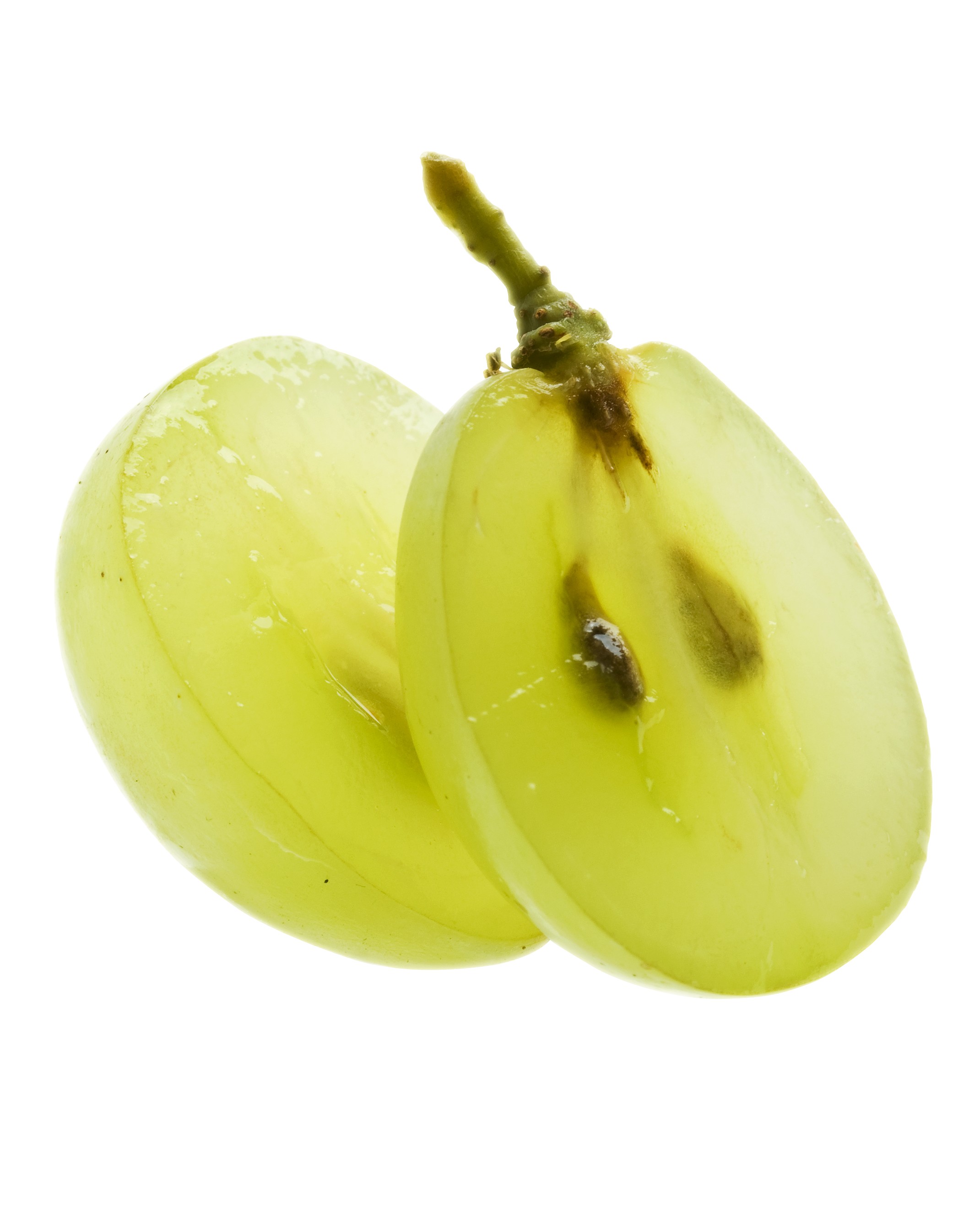
  • Cut grapes, cherry tomatoes and similar foods into quarters
  • Cut sausages lengthways and into small pieces
  • Encourage children to sit upright when eating and drinking
  • Supervise babies and young children during meals and snacks
  • Keep small objects, including toy parts, coins and button batteries, out of reach
  • Check floors and low surfaces regularly for small items that could be a choking hazard.

Never:

    • Allow children to eat while walking, running, playing or lying down
    • Leave a young child unattended while eating
    • Leave small objects in reach of babies and young children.

Grapes

For more information about button batteries, please visit RoSPA button battery safety advice 


Water beads:


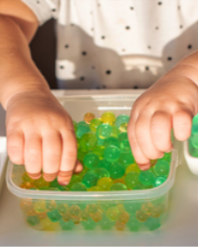
Water beads are small gel beads that absorb water and expand in size. They may look like sweets or small toys and can be attractive to young children. If swallowed, water beads can cause choking or serious intestinal blockages that require urgent medical treatment. 
child with water beads


Always:

  • Keep water beads away from children under five
  • Only use water beads with older children under close adult supervision
  • Store water beads out of sight and reach of children
  • Consider the risks for older children and adults who may be more likely to put objects in their mouth, including some people with special educational needs and disabilities
  • Get medical help immediately if you think a child or adult has swallowed a water bead
  • Watch for possible signs of swallowing, including vomiting, stomach pain or abdominal swelling. Symptoms may appear hours or days later.

Never:

  • Leave water beads where a young child can access them.  


Magnets:


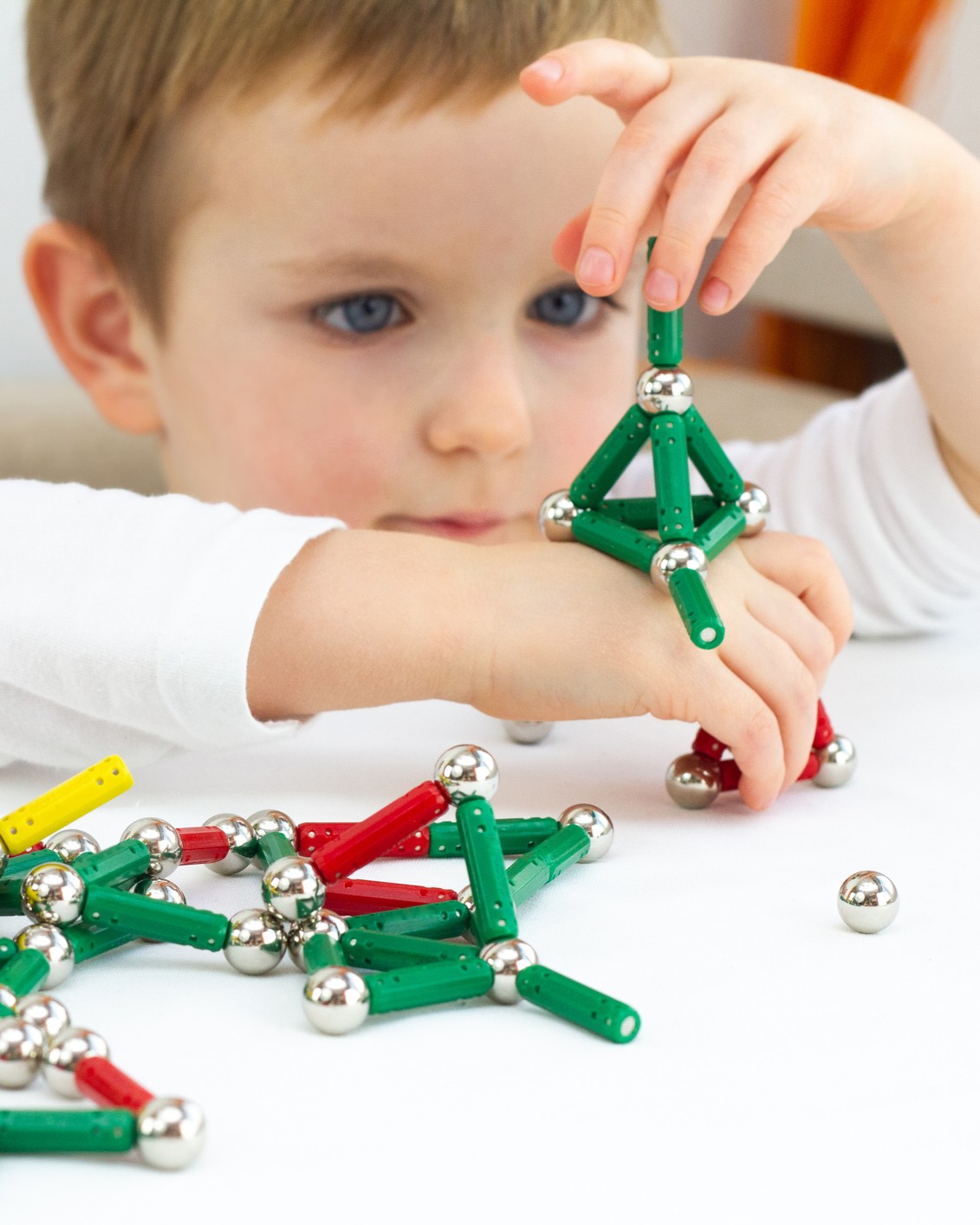
Small, high-strength magnets can be found in toys, novelty items, jewellery and household products. If more than one magnet is swallowed, they can attract each other inside the body and cause serious internal injuries:  

Always:

  • Keep small, high-strength magnets locked away and out of children’s reach
  • Buy toys from reputable retailers and check they are suitable for the child’s age
  • Check toys regularly for damage or loose parts that could release magnets
  • Talk to older children about the risks to themselves and younger siblings
  • Seek urgent medical help if a magnet may have been swallowed.

Never:  

  • Allow children to play with damaged products containing magnets.

child playing with magnets

If a child is injured

Seek urgent medical help if you think a child has swallowed a magnet, button, water bead or any object that may cause harm. If a child is choking or having difficulty breathing, call 999 immediately.

For more information, visit RoSPA Magnet safety

Explore more child safety advice:

Page partials_ Burns and scalds 1920px
Burns and Scalds
Page partials_Drowning 1920px
Drowning Prevention
Page partials_Playtime 1920px
Playtime tips